
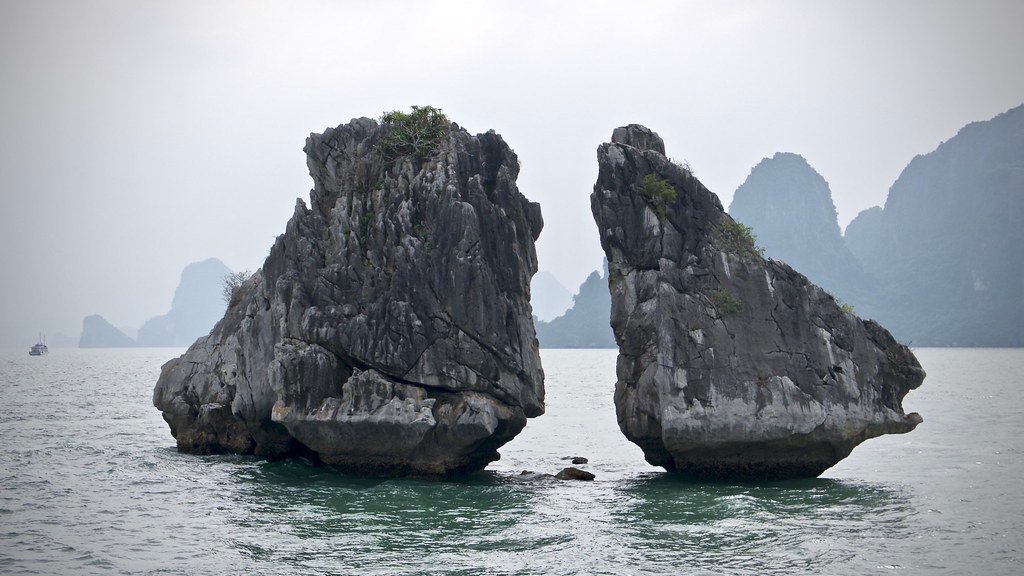
Vietnam is often described as having a tropical climate, which is true but not useful. The country spans more than a thousand miles from north to south, and the north, centre and south can be doing completely different things on the same day. A week that is perfect in Hanoi can be the wettest of the year in Hoi An. This guide breaks the country into its three climate zones so you can plan around the route you actually intend to travel.
The short answer
If you are travelling the full length of the country and want the best national compromise, aim for spring, roughly March and April, or autumn, roughly late September into November. These are the windows when all three regions are most likely to be pleasant at once. No month is perfect everywhere, and anyone who tells you otherwise is simplifying.
The north: Hanoi, Ha Long Bay, Sapa, Ninh Binh
Northern Vietnam has four seasons in a way the rest of the country does not, including a genuine cool period.
- Spring — mild and pleasant, though often grey and humid with fine drizzle. Good for walking cities.
- Summer — hot, humid and the wettest part of the year, with the heaviest rain and some storm risk. Rice terraces in the far north are at their greenest.
- Autumn — widely considered the best window. Drier, clearer and comfortable, with the best visibility for Ha Long Bay.
- Winter — genuinely cold by tropical standards, and often misty. Sapa and the mountains can be near freezing, and Ha Long Bay is frequently hazy.
If Ha Long Bay is a priority, favour autumn. Haze and low cloud in winter can significantly reduce what you see.
The centre: Hue, Da Nang, Hoi An
The central coast runs on a different schedule to both ends of the country, and this catches people out.
- Roughly February to May — the best period. Warm, dry and comfortable, with good beach conditions.
- Roughly June to August — very hot, but generally dry. Manageable if you plan around the midday heat.
- Roughly September to November — the wet season, with the heaviest rainfall and the main risk of typhoons and localised flooding. Hoi An’s old town floods in some years.
This is the key conflict in planning a full-country trip. Autumn is excellent in the north and at its worst in the centre. If your route includes Hoi An, spring is usually the safer choice.
The south: Ho Chi Minh City, Mekong Delta, Phu Quoc
The south is the simplest: consistently warm all year, with two seasons rather than four.
- Dry season, roughly December to April — reliably sunny and the most popular time to visit. Peak prices around the turn of the year.
- Wet season, roughly May to November — hot and humid, with rain typically arriving as a heavy afternoon downpour that clears within an hour or two. It rarely ruins a day, and prices are lower.
The wet season in the south is far less disruptive than its name suggests, and it is a reasonable trade for the lower cost.
Tet: the one date to plan around
Tet, the Lunar New Year, is the most important holiday in Vietnam. It usually falls in late January or February, and the exact dates move each year with the lunar calendar. In the days around it, many businesses close, domestic transport books out as families travel home and prices rise.
It is a fascinating time to witness, with flower markets and decorations everywhere, but it is a difficult time to travel efficiently. Check the dates for your travel year before committing, and either embrace it deliberately or avoid it.
Choosing by trip type
- Full north-to-south route — March and April, or late September into November.
- Hanoi and Ha Long Bay only — autumn, for the clearest conditions on the water.
- Beaches in Hoi An or Da Nang — spring, avoiding the autumn wet season entirely.
- Sapa and the northern mountains — autumn for clear trekking weather, summer for the greenest rice terraces.
- Southern beaches and the Mekong — the December to April dry season.
- Lowest prices — the regional wet seasons, particularly in the south where the impact is smallest.
Frequently asked questions
What is the single best month to visit Vietnam?
If you are travelling the whole country, March or April gives the most reliable combination across all three regions. There is no month that is ideal everywhere simultaneously.
Why does the centre have a different rainy season?
The central coast is affected by different weather systems to the north and south, which shifts its wettest months to roughly September through November, just as the north is at its most pleasant.
Does it get cold in Vietnam?
In the north, yes. Hanoi winters are genuinely chilly and the northern mountains around Sapa can approach freezing, with occasional snow at altitude. Pack layers if you are travelling north between December and February.
Is the wet season worth avoiding?
In the south, not especially: rain usually comes as a short heavy burst and the discount is real. On the central coast, it is worth taking more seriously because of flooding and typhoon risk.
When is Tet and should I avoid it?
Tet falls in late January or February and the dates change each year. Travel is busy and expensive and many businesses close, so check the dates for your year and plan deliberately around them.