
Japan has four genuinely distinct seasons, and the month you choose changes the trip more than the cities you pick. Cherry blossom and autumn colour are the headline draws, but they are also the most expensive and crowded weeks of the year. This guide walks through the calendar honestly, including the months most articles quietly skip.
The short answer
For the best balance of comfortable weather, manageable crowds and reasonable prices, travel in late May, early June, or the second half of November. For the famous scenery and the highest costs, target late March to mid April or mid to late November. For the lowest prices and the clearest skies, consider January and February and pack properly.
Spring: March to May
March
Cool and unpredictable early on, warming quickly by the end of the month. Cherry blossom usually begins in the far south and reaches the main cities in the final week, though the date shifts by a week or more year to year. Booking a trip months ahead specifically to catch peak bloom is a gamble.
April
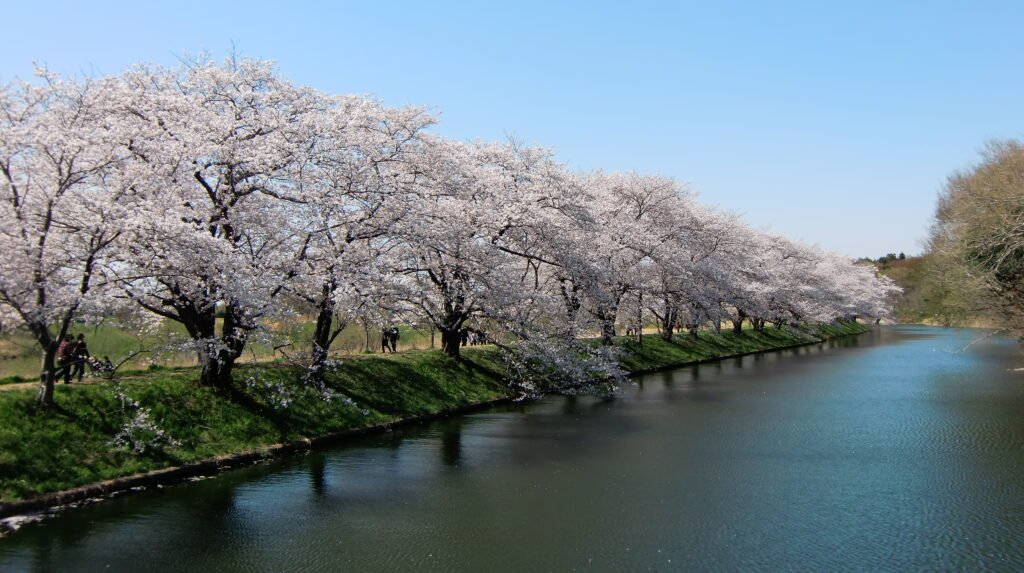
The most popular month to visit, and priced accordingly. Blossom season peaks in Tokyo and Kyoto in the first half, and the weather is close to ideal. Expect significant crowds at every famous viewpoint and book accommodation far in advance.
May
One of the most underrated months. The weather is warm and settled, gardens are green and the blossom crowds have gone. The exception is Golden Week, a cluster of national holidays at the start of the month when domestic travel surges and prices spike. Travel after it and May is close to perfect.
Summer: June to August
June
The rainy season arrives in most of the country, typically from early or mid June. It rarely rains all day, and hydrangea season is beautiful, but humidity climbs. Hokkaido in the north largely escapes this pattern and is a strong June choice.
July and August
Hot and very humid in the cities, with the added risk of typhoons later in the season. This is also festival season, and the summer matsuri and firework displays are genuinely spectacular. If you can tolerate the heat, the cultural calendar is at its richest. If you cannot, head for the mountains or the northern island.
Autumn: September to November
September
Still warm, still some typhoon risk, but the crowds thin noticeably after the domestic summer holidays end. Prices soften in the first half of the month.
October
Comfortable, dry and increasingly popular. Autumn colour begins in the northern and mountainous areas towards the end of the month. A very reliable choice if you want good weather without committing to peak-season prices.
November
Arguably the best month overall. Crisp, clear and dry, with autumn colour reaching Kyoto and Tokyo in the second half. The temple gardens in Kyoto at this time of year are as impressive as the spring blossom and slightly less frantic, though that gap narrows every year.
Winter: December to February
December
Cold but often bright and clear, with the best odds of seeing Mount Fuji from a distance. Illuminations light up the cities. Avoid the New Year period itself, when many businesses close and domestic travel peaks.
January and February
The quietest and cheapest window for international visitors, and a genuinely good time to travel if you dress for it. City sightseeing is cold but perfectly manageable, the air is clear, and this is prime season for skiing in Hokkaido and Nagano and for soaking in outdoor hot springs while snow falls around you.
Dates to avoid unless you have a reason
- Golden Week, late April into early May — heavy domestic travel and inflated prices.
- Obon, usually mid August — a major holiday period with the same effect.
- New Year, roughly 29 December to 3 January — widespread closures and full trains.
None of these make travel impossible, and the festivals around Obon and New Year are culturally fascinating. Just book much earlier and expect to pay more.
Matching the month to your trip
- First-time city trip — late May, October or late November.
- Cherry blossom — late March to mid April, booked early and with flexible expectations.
- Autumn colour — mid to late November in Kyoto, late October further north.
- Lowest budget — January and February, excluding New Year.
- Skiing and hot springs — January and February.
- Festivals — July and August, if you can handle humidity.
Frequently asked questions
What is the cheapest month to visit Japan?
Typically January and February, once the New Year holiday has passed. Flights and accommodation are at their lowest, and major sights are noticeably quieter.
When is cherry blossom season?
Usually late March to mid April in Tokyo and Kyoto, but the timing moves with the weather and the peak lasts only around a week in any given place. Forecasts are published each year from around January.
Is the rainy season a reason to cancel a June trip?
No. Rain tends to come in heavy bursts rather than all-day drizzle, and gardens and temples look their best in wet weather. Pack a light umbrella and plan some indoor options.
How far ahead should I book?
For April and November, six months ahead is sensible for well-located accommodation. For January and February, a couple of months is usually enough.
Which month has the best chance of seeing Mount Fuji?
The winter months. Cold, dry air gives the clearest long-distance visibility, so December through February offer the best odds, particularly early in the morning.