
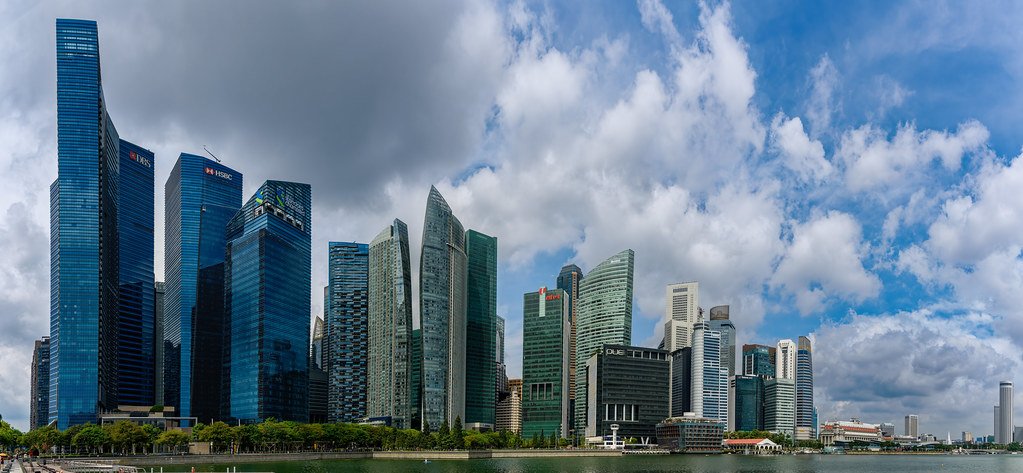
Singapore is compact, efficient and extremely easy to travel in, which makes it one of the best short-break cities in Asia. Three days is enough to cover the major districts, eat exceptionally well and still have time to sit still. This itinerary is arranged by neighbourhood, with the heat and the afternoon thunderstorms built into the plan rather than ignored.
Getting around
The MRT is clean, cheap, air-conditioned and reaches everywhere you are likely to go, including both airport terminals. You can tap in with a contactless bank card or phone, so there is no need to buy a separate transit card for a short visit.
Singapore is also more walkable than its climate suggests, because so much of the centre is connected by covered and underground walkways. Plan outdoor sightseeing for the morning and evening, and use the middle of the day for museums, malls and hawker centres.
Day 1: Marina Bay and the colonial core
Start at the Merlion and walk the bay promenade, which gives you the classic view across the water to Marina Bay Sands. Continue to the Gardens by the Bay, where the Supertree Grove is free to walk through. The two conservatories, the Cloud Forest and the Flower Dome, are ticketed, air-conditioned and a good use of the hottest part of the day.
In the late afternoon, cross to the colonial district around the Padang, the National Gallery and Raffles Hotel. The National Gallery occupies the former Supreme Court and City Hall and holds the world’s largest public collection of Singaporean and Southeast Asian art.
After dark, return to the bay for the nightly light and water show, best watched from the promenade rather than from inside a restaurant.
Day 2: Chinatown, Tiong Bahru and Little India
This is the day Singapore’s character comes through. Start in Chinatown at the Buddha Tooth Relic Temple and the surrounding shophouse streets, then eat at Maxwell Food Centre, one of the most accessible hawker centres in the city.
Mid-morning, walk or take a short ride to Tiong Bahru, a low-rise 1930s housing estate that has become the city’s most appealing neighbourhood for independent bookshops, bakeries and cafes. It is a genuine break from the scale of everything else here.
In the afternoon, head north to Little India for the Sri Veeramakaliamman Temple, the Tekka Centre market and the vividly painted Tan Teng Niah house. Nearby Kampong Glam, centred on the golden-domed Sultan Mosque, has Haji Lane’s street art and independent shops, and is the best area in the city for an early evening drink.
Day 3: Nature, Sentosa or the zoo
Pick one, depending on who you are travelling with.
- Singapore Botanic Gardens — UNESCO-listed, free to enter apart from the orchid garden, and best in the early morning. The most relaxing option.
- MacRitchie Reservoir — rainforest trails and a treetop suspension bridge, with a reasonable chance of seeing monkeys and monitor lizards. Start early; it gets hot.
- Sentosa — beaches, cable cars and theme parks. The obvious choice with children, though it is resort-like rather than authentically Singaporean.
- Singapore Zoo and River Wonders — consistently rated among the best zoos in the world, with open enclosures rather than cages. A half to full day.
Finish with dinner at a hawker centre. Lau Pa Sat, housed in a Victorian cast-iron structure, sets up a satay street outside in the evenings and is the most atmospheric option in the centre.
Eating: the reason to come
Hawker centres are the heart of Singaporean food culture and are recognised by UNESCO as intangible cultural heritage. They are open-air food courts with dozens of specialist stalls, each usually doing one dish very well, at prices far below restaurant equivalents.
Dishes worth seeking out include Hainanese chicken rice, chilli crab, laksa, char kway teow, satay and roti prata. One local custom to know: placing a packet of tissues on a table reserves it. This is called choping, and it is universally respected.
Where to stay
- Marina Bay — the landmark hotels and the best views, at the highest prices.
- Chinatown — excellent value, great food, well connected by MRT.
- Kampong Glam and Bugis — the most characterful, with boutique hotels in restored shophouses.
- Orchard Road — convenient and central if shopping is a priority.
Frequently asked questions
Is 3 days enough for Singapore?
Yes. Three days comfortably covers Marina Bay, the historic ethnic quarters and one nature or family day, with plenty of time to eat well.
Is Singapore expensive?
Accommodation and alcohol are expensive by regional standards. Food at hawker centres and public transport are not, so a trip here costs far less than the city’s reputation implies if you eat where locals eat.
What is the best time of year to visit?
Singapore sits just north of the equator and is hot and humid year-round, so there is no bad season. Rain is common at any time, usually as short intense afternoon storms. February to April tends to be marginally drier.
Is Singapore worth a long layover?
Very much so. The MRT connects Changi to the centre in well under an hour, and the airport itself, with its indoor waterfall and gardens, is worth arriving early for.
Are the strict laws a problem for visitors?
Not if you behave normally. Fines apply to things like eating and drinking on the MRT and littering, and drug offences carry extremely severe penalties. Chewing gum sale is restricted. Ordinary visitors rarely encounter any difficulty.
Pingback: Singapore on a Budget: Free Things to Do and Where to Save - Lisa World Travel