
Some links in this post are booking links. If you book through them we may earn a small commission at no extra cost to you. We only link to services we would use ourselves, and it never changes what we recommend.
Kenya is the most accessible introduction to an African safari. Nairobi is a major international hub, the parks are reachable by short flights or manageable drives, and the Masai Mara delivers big cats more reliably than almost anywhere. Eight days is the number that lets you visit three genuinely different ecosystems instead of spending the whole trip in one.
This itinerary runs Nairobi to Amboseli to the Masai Mara, with an optional swap for Lake Nakuru or Samburu depending on what you most want to see.
Day 1: Nairobi
Most long-haul flights land in the morning, so you have a usable first day. Three things are worth it and all sit close together.
The Sheldrick Wildlife Trust runs an elephant orphanage with a short public visiting window each day; it is small, it is popular and it books out. The Giraffe Centre nearby lets you feed endangered Rothschild’s giraffes from a raised platform. The Karen Blixen Museum, in the farmhouse of the author of Out of Africa, fills the remaining afternoon.
If you arrive with real energy, Nairobi National Park is the only national park bordering a capital city, where you can photograph rhino against a skyline. It is genuinely strange and genuinely worthwhile.
Days 2 and 3: Amboseli National Park
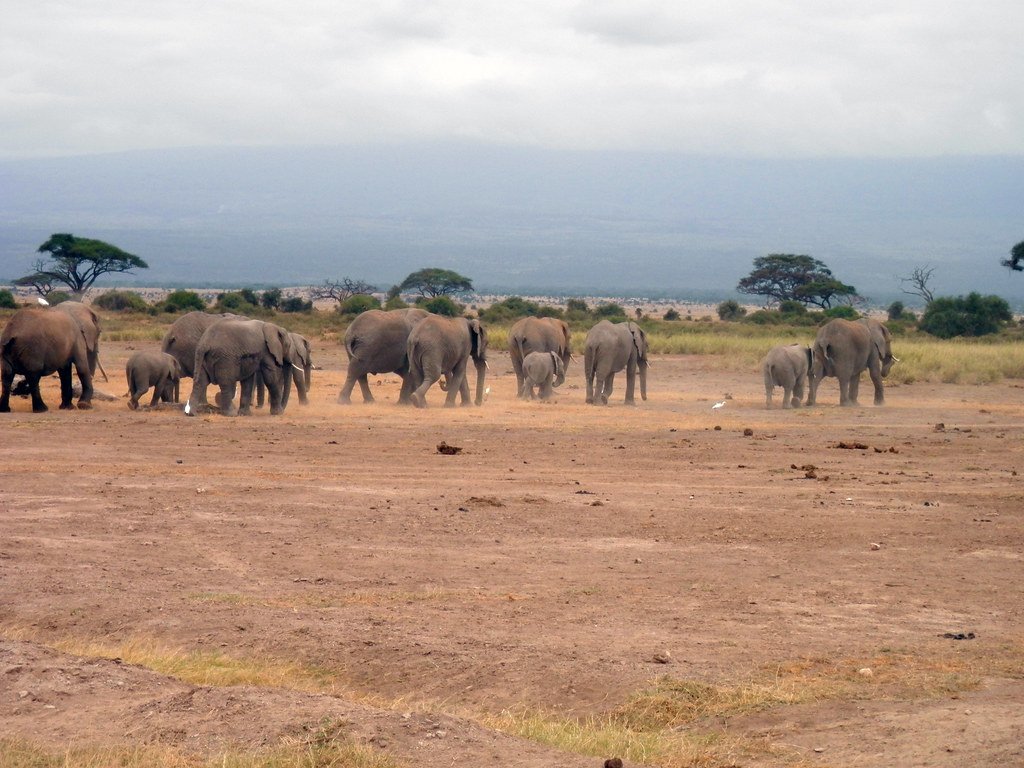
Amboseli sits on the Tanzanian border beneath Kilimanjaro, and the mountain is the reason to come. On clear mornings the snow-capped summit rises directly behind herds of elephants, which is the defining image of Kenyan safari photography.
The park is known for its very large, very relaxed elephant families, some of the most studied in the world. It is flat, dusty and open, with swamps fed by underground meltwater that keep animals present year-round.
Two nights gives you two dawns, which matters because Kilimanjaro usually clouds over by mid-morning. Manage expectations: the mountain hides for days at a time, and no operator can promise it.
Day 4: Transfer, with a choice
The move from Amboseli to the Masai Mara is long by road and short by air. If your budget allows a light aircraft transfer, take it; the road day is around eight to ten hours and eats a park day.
Alternatively, break the journey with a night in the Rift Valley. Lake Nakuru offers rhino and, in some years, huge flamingo flocks. Lake Naivasha adds a boat trip among hippos and walking safaris on Crescent Island, one of the few places you can walk among plains game unguarded by fences.
Days 5 to 7: The Masai Mara
The Mara is the northern continuation of the Serengeti ecosystem and the single best reason to come to Kenya. Open grassland, riverine forest along the Mara and Talek rivers, and the highest density of lion, cheetah and leopard on the standard safari circuit.
Three nights is the minimum that feels unhurried. It gives you six game drives, which is roughly what it takes for a leopard sighting to become likely rather than lucky.
Reserve or conservancy
This is the most important booking decision in Kenya and the least understood. The Masai Mara National Reserve is the government-run core: the best migration river crossings, and also the most vehicles, with strict rules requiring you to stay on tracks and out after dark.
The surrounding private conservancies — Naboisho, Olare Motorogi, Mara North and others — are leased from Maasai landowners, cap vehicle numbers per sighting and permit off-road driving, night drives and walking safaris. They cost more per night and the wildlife is the same, because there are no fences between them and the reserve.
For photography and atmosphere, conservancies win comfortably. For guaranteed access to the Mara River crossing points in migration season, the reserve is where you need to be. Staying in a conservancy with reserve access included is the common compromise.
Book your Kenya safari
Mara camps sell out a year ahead for July to October. Nairobi is where nearly every trip starts and ends:
Day 8: Return, or continue to the coast
Fly back to Nairobi for your onward connection. If you have longer, Diani Beach and Watamu on the Indian Ocean coast are an easy add-on, and the safari-then-beach structure works as well in Kenya as it does in Tanzania.
Alternative: swap Amboseli for Samburu
North of Mount Kenya, Samburu is drier, hotter and holds species you will not see further south: Grevy’s zebra, reticulated giraffe, gerenuk and the beisa oryx, collectively known as the Samburu Special Five. If you have safaried before and want something less familiar, swap it in.
When to go
July to October is peak season, dry, with the migration herds in the Mara and river crossings possible. January and February are also dry, hot, much quieter and excellent for resident game. The long rains fall roughly March to May and the short rains in November; both bring lower prices, green landscapes and some camp closures.
Crossings cannot be booked or predicted. If seeing one is the entire purpose of your trip, allow at least four nights in the reserve during the season and accept that it may still not happen.
Practical notes
Park and conservancy fees are charged per person per night and form a large share of the price. Always check what a quote includes.
Light aircraft transfers enforce strict baggage limits, usually around fifteen kilograms in a soft bag. Pack accordingly and leave hard suitcases in Nairobi.
Early mornings are cold, afternoons are hot, and the dust is constant. Neutral clothing, a warm fleece, a hat and your own binoculars cover it. Confirm visa requirements, yellow fever certificate rules and malaria precautions through official sources and a travel clinic before you go.
Frequently asked questions
How many days do I need for a Kenya safari?
Six at an absolute minimum, eight to ten comfortably. Anything shorter means long transfers dominate the trip.
Will I see the Big Five?
Lion, elephant, buffalo and leopard are all realistic on this itinerary. Rhino is the gap, which is why Lake Nakuru or Nairobi National Park is often added. Nobody can guarantee any of them.
Is a conservancy worth the extra cost?
If you value fewer vehicles at a sighting, off-road access and night drives, yes, clearly. If your priority is the river crossings in migration season, put your money into reserve access instead.
Should I fly or drive between parks?
Fly if you can afford it. Kenyan road transfers between parks are long and rough, and each one costs the better part of a day you could spend on game drives.
Is Kenya safe for tourists?
The safari circuit is well established and incidents involving visitors are rare. Nairobi requires normal big-city caution, particularly at night. Check your own government’s current travel advice, as some border regions carry specific warnings.
Pingback: Kenya Safari Cost: What a Trip Really Costs - Lisa World Travel
Pingback: Egypt Itinerary: 10 Days from Cairo to Aswan - Lisa World Travel