
Some links in this post are booking links. If you book through them we may earn a small commission at no extra cost to you. We only link to services we would use ourselves, and it never changes what we recommend.
Egypt rewards a linear itinerary. The great sites sit along the Nile in a line, so rather than basing yourself in one place and making day trips, the natural shape of the trip is to start in Cairo and work south to Aswan, letting the history unfold roughly in order. Ten days is enough to do that properly without the forced-march feeling that shorter trips produce.
This itinerary covers Cairo, Luxor and Aswan, with a Nile cruise in the middle and an optional run south to Abu Simbel. It assumes you want to see the headline sites but would also like at least one afternoon that is not spent in a temple.
Days 1 to 3: Cairo and Giza
Give Cairo three days. It is a huge, loud, absorbing city and the sites are spread out enough that traffic will eat more of your time than you plan for.
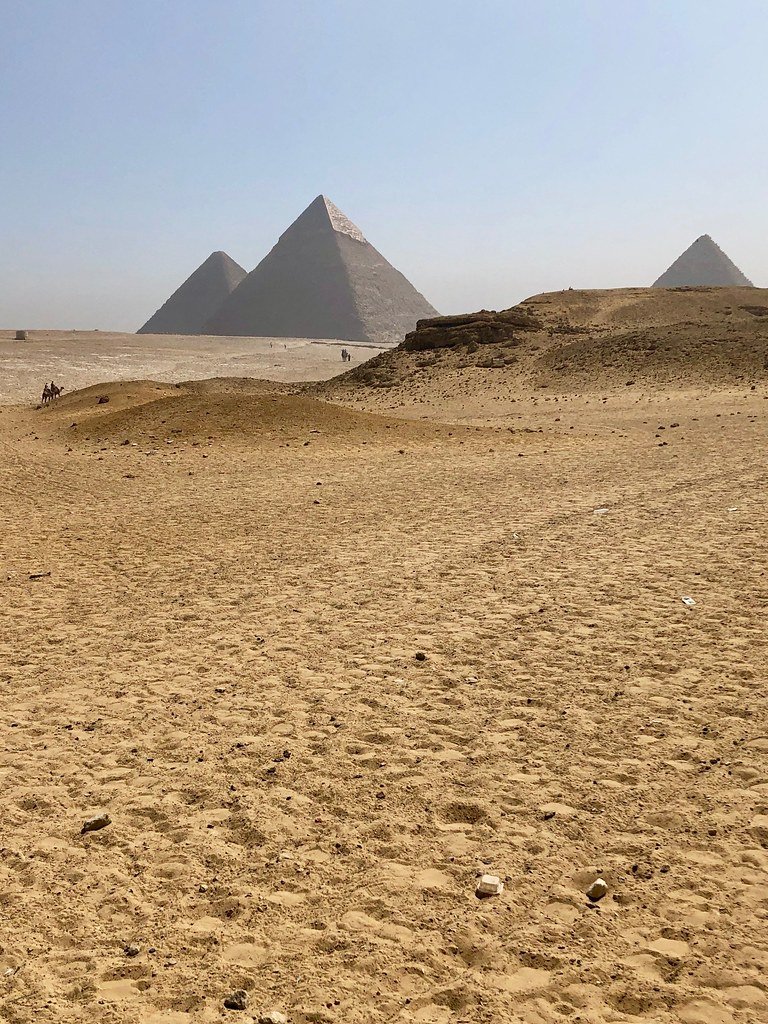
Day 1. The Giza plateau. Go early, ideally at opening, both for the light and the heat. The three main pyramids, the Sphinx and the panorama viewpoint take a full morning. Entering a pyramid costs extra and is a claustrophobic, low-ceilinged scramble; some people find it the highlight of the trip and others regret it within twenty seconds.
Day 2. Museums. The Grand Egyptian Museum near Giza now holds the headline collections, including the Tutankhamun material, and it is large enough to fill most of a day. Check current opening arrangements before you go, as the transition from the older Egyptian Museum in Tahrir Square has been phased.
Day 3. Old Cairo and Islamic Cairo. The Hanging Church and Ben Ezra Synagogue in Coptic Cairo, then the Khan el-Khalili bazaar and the Citadel with its mosque of Muhammad Ali. Finish with mint tea in the bazaar, which is touristy and entirely worth it.
A worthwhile detour
If you have appetite for more pyramids, Saqqara and Dahshur are a half-day from Cairo and considerably quieter than Giza. The Step Pyramid at Saqqara is older than anything at Giza, and the Bent Pyramid at Dahshur shows the engineering being worked out in real time.
Day 4: Travel south to Luxor
You have two realistic options. The domestic flight takes about an hour and costs more. The overnight sleeper train takes roughly ten hours, saves a night of accommodation and is an experience in itself, though comfort is variable and delays are common. Neither is wrong; choose based on how much your time is worth to you.
Days 5 and 6: Luxor
Luxor is the densest concentration of monumental architecture anywhere on the itinerary. Split it by river bank.
East bank. Karnak, which is vast and takes at least half a day, and Luxor Temple, which is smaller and best at night when it is lit.
West bank. The Valley of the Kings, the mortuary temple of Hatshepsut and the Colossi of Memnon. Standard tickets include entry to a set number of tombs, with the most famous charging a supplement. Go at opening; the valley is a natural heat trap and becomes genuinely draining by late morning.
Hot air balloon flights over the west bank launch before dawn and are one of the few tourist activities that consistently exceeds expectations. Weather cancellations are common, so schedule it early in your Luxor stay to leave a spare morning.
Days 7 to 9: Nile cruise to Aswan
The classic Luxor to Aswan cruise takes three to four nights and stops at Esna, Edfu and Kom Ombo. It solves transport, accommodation and guiding in one booking, and the temples it reaches are awkward to visit independently.
Boats vary enormously. Large cruise ships are comfortable and the food is reliable; traditional dahabiyas carry a dozen or so passengers, sail rather than motor, and stop at smaller sites. Dahabiyas cost more and move slower, which is either the point or the problem depending on your temperament.
Sailing south rather than north is generally better sequenced, because it ends in Aswan, which is the more relaxed city and a gentler place to finish.
Book your Egypt trip
Cairo hotels near Giza and Nile-view rooms in Luxor and Aswan go early in high season:
Day 10: Aswan, and optionally Abu Simbel
Aswan is the most pleasant city on the route: slower, greener and set on a wide stretch of river dotted with islands. Philae Temple, reached by short boat transfer, is the main site. A felucca sail around Elephantine Island at sunset costs very little and is the single best hour of many people’s trip.
Abu Simbel sits roughly three hours south by road and is usually done as a very early convoy departure returning the same day, or as a short flight. The twin rock-cut temples were relocated block by block in the 1960s to escape the rising waters behind the Aswan High Dam, which is arguably as remarkable as the temples themselves. If your schedule allows it, add a day rather than compressing it.
Practical notes
Tipping, known as baksheesh, is woven into daily life and small notes are essential. Carry a stack of low-denomination currency and keep it separate from your main money.
Expect persistent sales pressure at every major site. A calm, repeated “no thank you” without stopping works better than engagement. Agreeing a price before accepting any service, including a photograph with a camel, avoids almost every dispute travellers report.
Sun protection matters more than in most destinations because shade at the sites is minimal. Hat, long sleeves and far more water than you think you need.
Visa rules for Egypt vary by nationality and change periodically, so confirm the current position with official sources well before you travel.
Frequently asked questions
Is 10 days enough for Egypt?
Yes, for the classic Nile route. Ten days covers Cairo, Luxor, a cruise and Aswan at a reasonable pace. Adding the Red Sea coast or the Western Desert oases needs a fortnight or more.
Do I need a guide?
Not strictly, but Egypt is one of the destinations where a good guide adds the most. The sites carry thousands of years of layered context that is largely invisible without explanation. Many travellers hire guides for Cairo and Luxor and travel independently elsewhere.
Is a Nile cruise worth it?
For most people, yes. It reaches temples that are inconvenient to visit any other way and removes three transfers from your itinerary. If you dislike organised group timetables, a small dahabiya is the better format.
Should I fly or take the train to Luxor?
Fly if your time is tight. Take the sleeper if you want the experience and do not mind variable comfort. The sleeper also saves a hotel night, which offsets part of the fare difference.
When is the best time to go?
October to April. Summer in Luxor and Aswan is severe, and the sites offer almost no shade. See our month-by-month Egypt guide for the detail.