
Some links in this post are booking links. If you book through them we may earn a small commission at no extra cost to you. We only link to services we would use ourselves, and it never changes what we recommend.
Costa Rica catches people out financially. It is marketed alongside its Central American neighbours but prices closer to a developed economy, and travellers arriving with a Guatemala or Nicaragua budget get an unpleasant shock in the first week.
The good news is that the expensive version and the affordable version of Costa Rica are genuinely the same country. The wildlife does not cost more because you slept in a nicer room.
Where the money actually goes
- Accommodation. The widest variable, from hostel dorms to eco-lodges charging resort rates.
- Guided tours and activities. Zip lines, night walks, rafting and boat trips are individually priced and add up fast. This is where most budgets quietly break.
- Park entry fees. Charged per person per park, with a higher rate for non-residents. Modest individually, significant across a two-week trip.
- Transport. Car hire plus compulsory insurance and fuel, or shuttles, which are comfortable and priced per seat per journey.
- Food. Ranges enormously depending on whether you eat at sodas or tourist restaurants.
The three tiers
Backpacker
Hostel dorms, public buses, meals at sodas, and self-guided walks with the occasional paid activity. Entirely viable and sociable, and the public bus network reaches nearly everywhere for very little.
The trade is time. A journey that takes three hours by shuttle can take six by bus with a change in San José.
Mid-range
Small hotels and B&Bs, a hire car or shuttles, a guided tour every couple of days and a mix of sodas and restaurants. This is where most visitors land and where the value is best.
Eco-lodge and luxury
Remote lodges with private guides, domestic flights between regions, and all-inclusive rates. The genuine advantage is access: some of the best lodges sit inside private reserves with wildlife on the doorstep and no day visitors at all.
See what your budget buys
Green season rates can be dramatically lower than dry season for the same room. Compare both:
The costs people forget
- Compulsory car hire insurance. Local liability cover is required by law and is added at the desk on top of the online quote. A rate that looked remarkably cheap online rarely stays that way, so always ask for the all-in total before booking.
- Park fees per person, per park. A family visiting several parks will feel this.
- Guides. Optional on paper, close to essential in practice if you want to see wildlife.
- Departure tax. Usually included in airfares now, but worth confirming.
- Card surcharges and dollar pricing. Many tourist businesses quote in US dollars; paying in colones at a fair rate is sometimes cheaper.
Seven ways to genuinely save
1. Travel in green season. May to November, outside the July mini-dry spell, cuts accommodation substantially. Rain is mostly an afternoon event, and the forest is at its best.
2. Eat at sodas. The small local restaurants serving casados are a fraction of tourist restaurant prices and consistently good. This single habit saves more than most people expect.
3. Take public buses on the long legs. Cheap, safe and reliable. Use shuttles only where the bus route is genuinely painful.
4. Move less. Every relocation costs transport and a new set of entry fees. Three bases in two weeks beats six.
5. Pick your paid activities deliberately. One excellent guided night walk beats three mediocre daytime tours. Zip lines are fun but interchangeable; guiding quality is not.
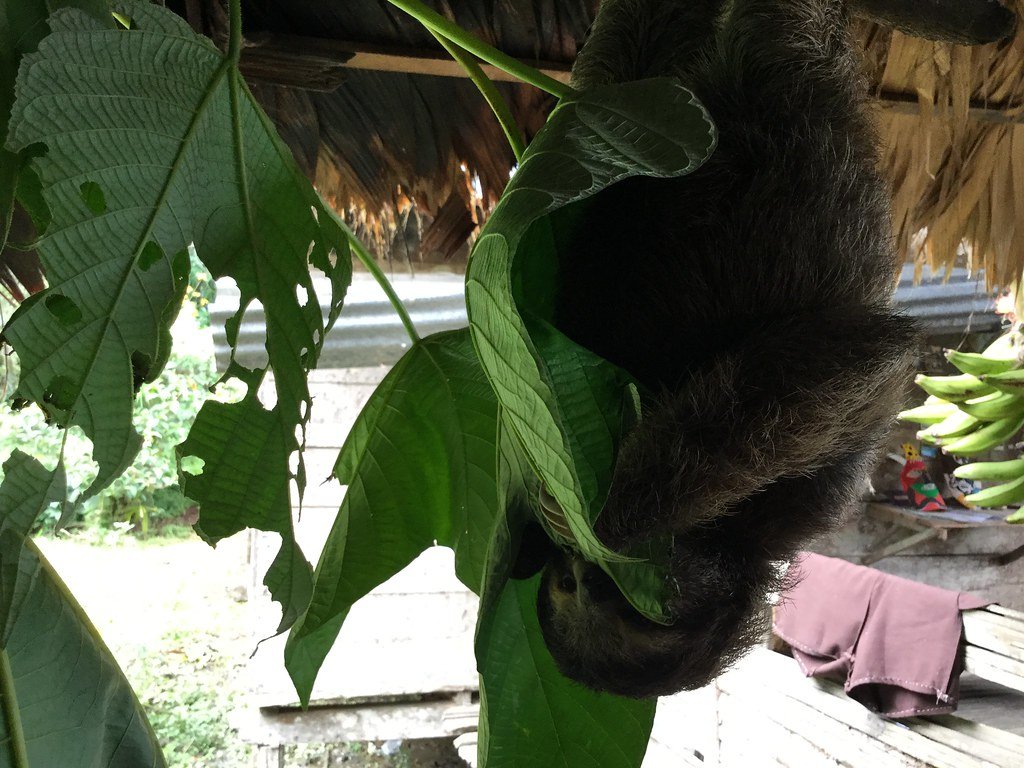
6. Use free nature. Public beaches, free hot-spring river spots near La Fortuna and roadside wildlife cost nothing. Some of the best sloth sightings happen from a hotel garden.
7. Book accommodation directly in low season. Small family-run places often have flexibility outside peak weeks that never appears on a booking site.
What not to cut
Guides and travel insurance. A naturalist guide is the difference between walking through a forest and actually seeing it, and it is the best value purchase in the country. Insurance matters because medical care is good but private care is expensive, and adventure activities are exactly the sort of thing policies exclude if you have not checked.
Prices shift with season, exchange rates and fee changes, so treat any figure you read as a starting point and confirm current rates before booking.
Frequently asked questions
Why is Costa Rica more expensive than its neighbours?
A higher cost of living, a mature tourism industry, substantial protected land requiring funding, and heavy reliance on imported goods. A share of park fees funds conservation directly.
Should I hire a car or use shuttles?
For two or more people staying a week or longer, a car usually wins on both cost and flexibility once you account for shuttle seats. For solo travellers, shuttles and buses are cheaper.
Is green season a false economy?
Rarely. Mornings are usually clear and the savings are real. September and October are the wettest on the Pacific side, so those two need more thought.
Do I need US dollars?
They are widely accepted, but you will often get a poor rate. Cards work almost everywhere, and colones from an ATM are usually the best value for day-to-day spending.
Explore more regions
- Asia travel guides
- Africa travel guides
- Europe travel guides
- South America travel guides
- Australia and Oceania travel guides
Pingback: Costa Rica Itinerary: 10 Days from Arenal to Manuel Antonio - Lisa World Travel