
Some links in this post are booking links. If you book through them we may earn a small commission at no extra cost to you. We only link to services we would use ourselves, and it never changes what we recommend.
Queensland stretches from the subtropical Gold Coast to genuinely tropical Cape York, so “when to visit Queensland” depends entirely on how far north you are going.
The broad rule: the further north, the more the year divides into wet and dry rather than summer and winter.
Tropical north Queensland
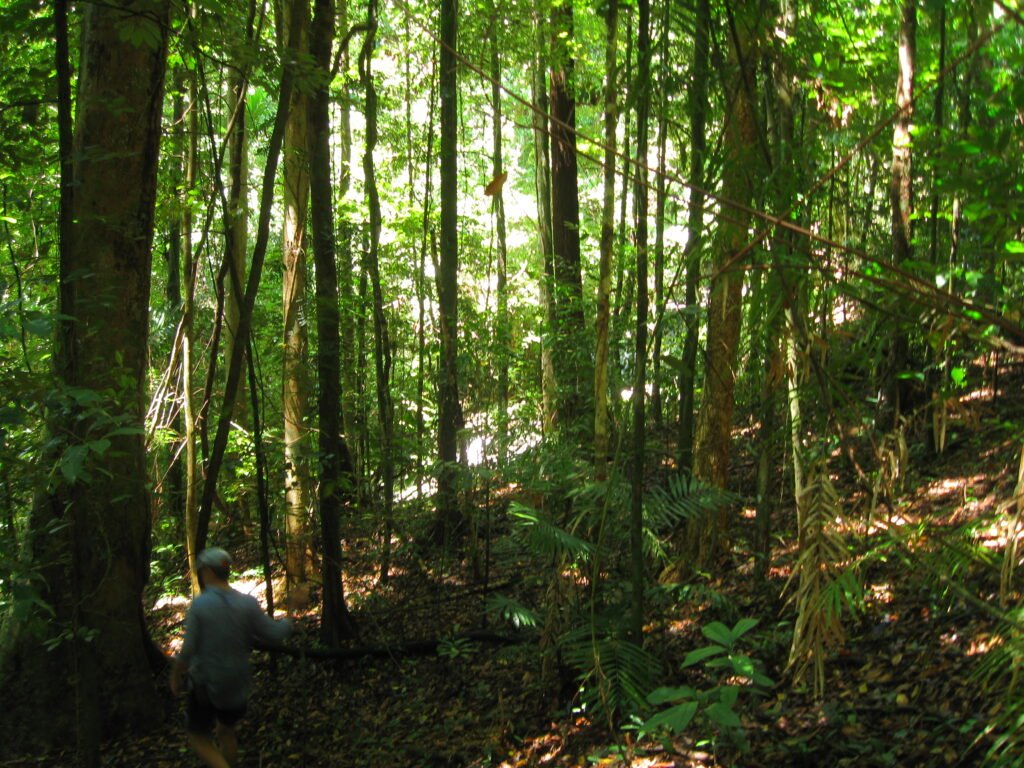
Cairns, Port Douglas and the Daintree run on a two-season calendar.
The dry season, roughly June to October, is the best time to come. Warm days, low humidity, clear water for reef trips, and no marine stingers in coastal waters. This is peak season and prices reflect it.
The wet season, roughly November to April, brings heat, heavy humidity, monsoonal downpours and cyclone risk. Waterfalls are spectacular, the rainforest is at its most dramatic, and prices drop considerably. Reef visibility is less reliable.
Box jellyfish and Irukandji are present in coastal waters during the wet season. Swim only in stinger nets or in a full stinger suit, and take local warnings seriously.
Central Queensland and the Whitsundays
The Whitsundays and the Townsville region sit between the tropical and subtropical patterns.
May to September is the sweet spot: warm, dry, calm seas and comfortable sailing conditions. August and September in particular are close to perfect.
December to March is hot and humid with a real cyclone risk. Sailing trips run but conditions are variable, and stinger season applies.
Check rates by season
The gap between dry-season and wet-season prices in the tropics is substantial:
Brisbane and the south-east
Brisbane, the Gold Coast and the Sunshine Coast have a subtropical climate and are pleasant almost year-round.
Autumn and spring, March to May and September to November, are the most comfortable: warm days, low humidity, and the beaches without the school-holiday crush.
Summer, December to February, is hot and humid with afternoon storms, and busy with Australian holidaymakers over the Christmas and January break.
Winter, June to August, is mild and dry, with sunny days in the low twenties Celsius. It is genuinely lovely and remains the region’s best-kept secret.
Wildlife by season
- Humpback whales migrate along the coast from around June to November, with Hervey Bay a particular highlight.
- Turtle nesting occurs at Mon Repos and other southern sites over the summer months, with hatchlings emerging later in the season.
- Minke whales visit the northern ribbon reefs around June and July.
- Coral spawning takes place once a year on nights following a full moon in late spring.
- Birdlife in the wetlands is richest towards the end of the wet season.
School holidays and crowds
Australian school holidays are the main driver of domestic crowds and prices. The long summer break runs from mid-December into late January, with shorter breaks at intervals through the year, including around Easter and in late June and July.
The June and July break coincides with the northern dry season, which makes it the busiest period of all in Cairns and the Whitsundays. Book reef trips and accommodation well ahead if you travel then.
Check the current year’s dates, as they vary by state and shift slightly each year.
Frequently asked questions
What is the single best month?
September. Dry across the north, warm in the south, whales on the coast, and just outside the busiest holiday weeks.
Can I visit in the wet season?
Yes, and prices are far lower. Accept that some days will be washed out, cyclones are possible, and swimming is restricted to stinger nets on the coast.
Is it ever cold?
Not in the tropical north. Inland and in the southern highlands, winter nights can drop close to freezing, which surprises most visitors.
When should I avoid the Gold Coast?
Late November, during schoolies week, unless that is specifically what you are after.
Events worth timing a trip around
Queensland’s calendar is quieter than Sydney’s or Melbourne’s, but there are a few fixtures that reliably fill accommodation and are worth either targeting or avoiding.
Brisbane’s river festival in the spring brings fireworks and riverside events across the city. The Gold Coast hosts a major marathon and a surfing competition that draw large crowds, and Cairns has its own festival season in the dry months.
Agricultural shows run through the middle of the year in regional towns and are a genuinely enjoyable way to see rural Queensland, with the Brisbane show a public holiday in the city itself.
Check dates for the current year before booking, since most of these shift and several are tied to school terms rather than fixed calendar dates.
Packing for the tropics
Queensland rewards packing light, but a few specific items make a real difference depending on the season.
- A wide-brimmed hat and a long-sleeved sun shirt. The ultraviolet levels here are extreme for much of the year.
- Reef-safe sunscreen, which is increasingly expected on reef operators and better for the coral regardless.
- A light rain jacket for the wet season, though an umbrella is largely pointless in a tropical downpour.
- Insect repellent, especially for the rainforest and the wetlands.
- Closed shoes with grip for rainforest boardwalks and gorge walks, which stay wet and slick.
- A warm layer if you are heading inland or to the southern highlands in winter, where nights get cold.
Pingback: Australia on a Budget: What a Trip Really Costs - Lisa World Travel