
Some links in this post are booking links. If you book through them we may earn a small commission at no extra cost to you. We only link to services we would use ourselves, and it never changes what we recommend.
Belgrade is not a pretty city in the way that Prague or Vienna are pretty, and it does not want to be. It is a city built at the confluence of two great rivers, destroyed and rebuilt more times than almost anywhere in Europe, and the result is a place with extraordinary energy and almost no pretension.
Three days is enough to see it properly, eat very well and understand why people keep coming back.
Day 1: The old centre and Kalemegdan
Start at Republic Square, the city’s natural meeting point, and walk down Knez Mihailova, the pedestrian spine lined with nineteenth-century facades, bookshops and cafés.
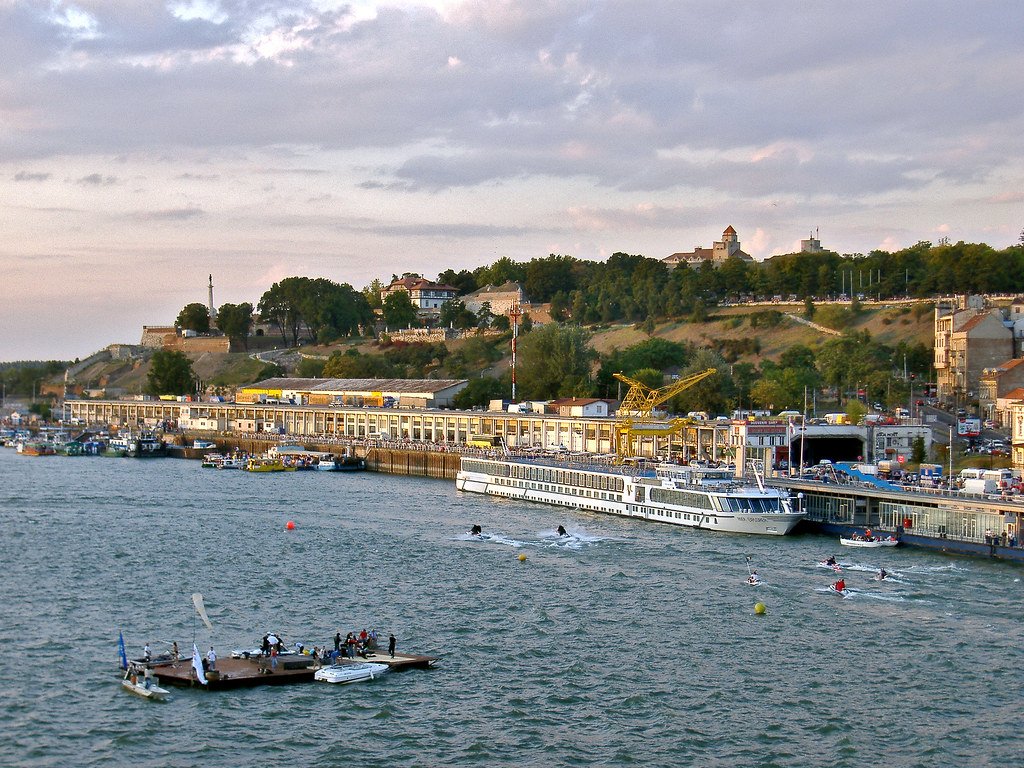
It leads directly to Kalemegdan, the fortress park on the bluff where the Sava meets the Danube. This is the single best thing in Belgrade: a vast complex of walls and gates layered by Roman, Byzantine, Ottoman, Austrian and Serbian hands, surrounded by parkland, with the Victor monument looking out over the water. Come back at sunset; everybody does.
Inside the park, the Military Museum is worth an hour. Below it, the Belgrade Zoo and the Ruzica church are easy additions.
In the evening, head to Skadarlija, the old bohemian quarter of cobbles and kafanas where accordion players still work the tables. It is touristy and also genuinely good; order the pljeskavica or a mixed grill and do not plan anything afterwards.
Day 2: Museums and the river
The Museum of Yugoslavia is the most interesting museum in the country and the essential stop for understanding the twentieth century here. It includes the House of Flowers, Tito’s mausoleum, and a collection of the extraordinary gifts sent to him from around the world.
The Temple of Saint Sava nearby is one of the largest Orthodox churches in the world, and the mosaic-covered interior, finished relatively recently, is genuinely breathtaking. The crypt below is if anything more impressive than the nave.
In the afternoon, cross into Zemun, once a separate Austro-Hungarian town and still architecturally distinct. Climb the Gardoš Tower for the view, then walk the riverside promenade, which is lined with fish restaurants and floating cafés.
Where to stay
Belgrade is one of the better-value European city breaks, so a central room costs less than you might expect:
Day 3: Savamala, Dorćol and a day trip
Savamala is the riverside district that became the centre of Belgrade’s creative scene: warehouses turned into galleries and bars, street art, and a great deal of ongoing redevelopment. It is scruffier than the centre and more interesting for it.
Dorćol, between the centre and the Danube, is where locals actually drink coffee. Specialty cafés, small restaurants and quiet residential streets; this is the neighbourhood to wander without a plan.
If you would rather leave the city, Novi Sad is around an hour and a half away by train or bus, with the Petrovaradin Fortress above the Danube. Alternatively, Avala mountain just south of the city has a monument, a tower and a view over the whole Šumadija region.
Eating and drinking
Serbian food is generous, meat-heavy and extremely good value. Look for ćevapi, pljeskavica, karađorđeva šnicla, ajvar as a condiment on everything, and burek for breakfast from a bakery.
Coffee culture is serious and slow. Nobody drinks a coffee in ten minutes here; sitting for an hour is the norm and rushing the waiter is bad form.
The nightlife is famous. The splavovi, floating clubs moored on the rivers, run through the summer and are a genuine Belgrade institution. In winter the action moves to bars in Savamala and Cetinjska, a courtyard of former brewery buildings turned into a small cluster of venues.
Practical notes
- Currency is the dinar, not the euro. Cards are widely accepted but carry cash for kafanas, markets and bakeries.
- Cyrillic and Latin scripts are both in official use; street signs may appear in either.
- The city is hilly in places and the pavements uneven. Comfortable shoes.
- Buses and trams cover the city cheaply; check the current ticketing arrangement on arrival as it has changed in recent years.
- Smoking rules in bars and restaurants are more relaxed than in much of the EU; ask for a non-smoking area if it matters to you.
Frequently asked questions
Is Belgrade safe?
Yes, and notably so for a European capital. Petty theft is the usual risk in crowded areas. The city is comfortable to walk at night in the central districts.
Do people speak English?
Widely among younger people and in hospitality. Less so with older residents and outside the centre, where a few words of Serbian are appreciated.
Do I need a visa?
Serbia is not in the EU or the Schengen area, and entry rules differ from its neighbours. Check the current requirements for your nationality before booking.
Is three days enough?
For the city itself, comfortably. Add two or three more if you want Novi Sad, the monasteries or the south.
Pingback: Where to Stay in Belgrade: Best Neighbourhoods for Your Trip - Lisa World Travel
Pingback: Best Time to Visit Serbia: A Month-by-Month Guide - Lisa World Travel
Pingback: Serbia on a Budget: What a Trip Really Costs - Lisa World Travel
Pingback: Novi Sad and Fruška Gora: A Weekend in Vojvodina - Lisa World Travel
Pingback: Serbia Itinerary: 10 Days from Belgrade to the South - Lisa World Travel