
Some links in this post are booking links. If you book through them we may earn a small commission at no extra cost to you. We only link to services we would use ourselves, and it never changes what we recommend.
Brazil is roughly the size of a continent, and asking when to visit is a bit like asking when to visit Europe. The Amazon, the northeast coast, Rio and the far south are on genuinely different climate schedules.
Here is how the year works region by region, and how to pick a month that suits where you are actually going.
Start with the seasons being flipped
Brazil is largely in the southern hemisphere, so December to March is summer and June to August is winter. Brazilian school holidays fall in December and January and again in July, and those are the busiest, priciest weeks domestically.
That has a useful consequence: the southern winter, June to August, is often the best combination of pleasant weather and lower prices in much of the country, despite sounding wrong to northern ears.
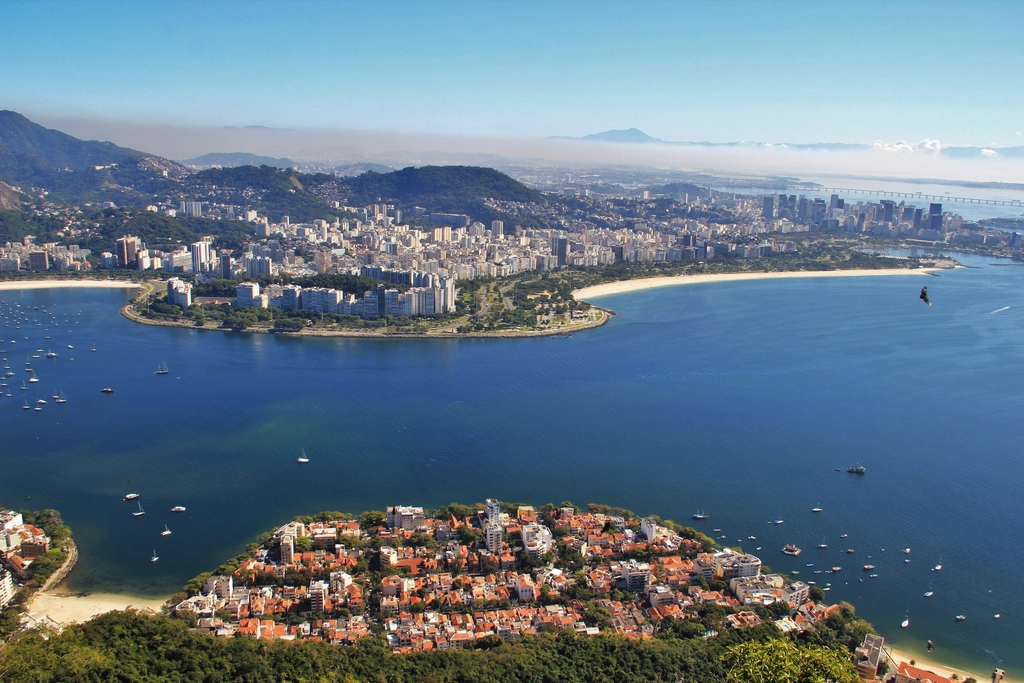
Rio and the southeast
Summer, December to March. Hot, humid and lively, with heavy afternoon thunderstorms and the beaches at their busiest. This is peak beach season and Carnival falls within it, usually in February or early March depending on the year. It is also when heat and humidity are most oppressive for sightseeing.
Autumn, April and May. An excellent and underrated window: warm, drier, far less crowded and cheaper. Arguably the best time to visit Rio.
Winter, June to August. Mild, dry and comfortable, with the clearest skies of the year, which matters a great deal for Corcovado and Sugarloaf. The sea is cooler and the beach culture quieter, but for sightseeing this is the most reliable season.
Spring, September to November. Warming up, still relatively quiet, and good value before the summer surge.
The northeast coast
Salvador, Recife, Fortaleza and the beaches around them are hot year-round and closer to the equator, so the swing is about rain rather than temperature.
Confusingly, the wettest months here are roughly April to July, which is the opposite of the southeast. So the northeast is at its best from about September to February, precisely when Rio is at its most humid.
If you are combining a northeastern beach stretch with Rio, the shoulder months of September to November tend to serve both reasonably.
Check rates by season
Carnival and the New Year period are in a pricing league of their own. Compare a few dates:
The Amazon
The Amazon does not have a dry season so much as a less wet one, and the more useful distinction is high water versus low water.
High water, roughly December to May, floods the forest and lets boats travel among the treetops in the igapó. Excellent for canoeing and for seeing the forest from an unusual angle. Fewer walking trails are accessible.
Low water, roughly June to November, exposes river beaches and sandbanks, makes jungle hiking far easier and concentrates wildlife around shrinking water. Generally better for fishing and land-based wildlife spotting.
Neither is better; they are different trips. Humidity and mosquitoes are constants in both.
Iguaçu Falls and the Pantanal
Iguaçu is impressive year-round. Water volume peaks in the wetter months from around November to March, which is dramatic but can mean spray obscuring views and occasional walkway closures. The cooler months give clearer views and more comfortable walking.
The Pantanal, the world’s largest tropical wetland and the best place in South America to see jaguars, has a clear best window: the dry season from roughly June to October, when animals gather at remaining water. The wet season floods access roads and makes wildlife viewing much harder.
Quick answers by trip type
- Rio sightseeing: May to September, for clear views of the peaks.
- Beach holiday in the northeast: September to February.
- Carnival: February or early March, booked many months ahead.
- Wildlife in the Pantanal: June to October.
- Amazon hiking: the low-water months.
- Best value overall: April, May and the second half of the year outside July.
Frequently asked questions
When exactly is Carnival?
It moves each year with the church calendar, falling in February or early March. Confirm the dates before booking anything, because the surrounding week behaves like a national shutdown.
Is the Brazilian winter cold?
In Rio and the northeast, no, it is mild and pleasant. In the far south around Curitiba and Porto Alegre it genuinely gets cold, and frost is possible.
Can I combine the Amazon and Rio in one trip?
Yes, though the flights are long and internal distances are substantial. Allow a full travel day between regions and do not underestimate the scale of the country.
Which month is cheapest?
Generally the shoulder months of April, May and September, avoiding Brazilian school holidays in July and over the New Year.