
Some links in this post are booking links. If you book through them we may earn a small commission at no extra cost to you. We only link to services we would use ourselves, and it never changes what we recommend.
Maui is bigger than it looks and slower than you expect. The island’s two headline experiences, the Road to Hana and sunrise at Haleakalā, both demand early starts and neither can be rushed, so a week is about right rather than generous.
This itinerary splits the week between the west and south coasts, builds in genuine rest days, and is honest about the two things most guides skip.
Two things to know before you plan
Lahaina. The historic town was devastated by wildfire in 2023 with significant loss of life. Recovery is ongoing, access is limited and the situation continues to evolve. Check current official guidance on where visitors are welcome, and treat the area with the respect a place of mourning deserves rather than as a sight.
Reservations. Haleakalā sunrise requires a reservation booked in advance through the national park service, and the popular slots go quickly. Several of the most visited spots on the island have also introduced parking reservations or entry systems for non-residents. Rules change regularly, so verify each one when you book rather than assuming.
Days 1 and 2: Settling in on the west or south coast
Fly into Kahului, collect a car, and resist doing anything ambitious. Jet lag from the mainland or further afield is significant, and the early starts later in the week are unforgiving.
Spend the first two days on the beach and in the water. Kāʻanapali in the west and Wailea in the south both have long, swimmable stretches. Snorkelling is best in the morning before the wind picks up, which it reliably does by early afternoon across the island.
Day 3: Haleakalā
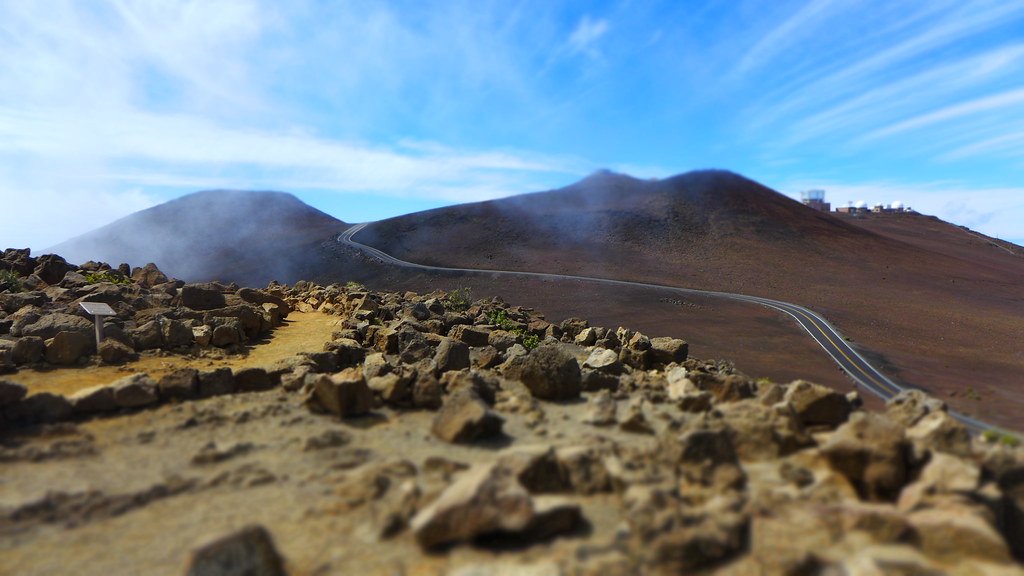
The summit sits above three thousand metres and the sunrise from the crater rim is genuinely extraordinary. It is also brutally cold before dawn, which visitors in shorts discover every single morning. Take everything warm you brought.
The drive up takes over two hours from the coast, on a road with many switchbacks, so a sunrise slot means leaving around three in the morning. If that sounds unpleasant, sunset needs no reservation, is almost as good and involves no alarm clock at all. This is a legitimate choice, not a consolation prize.
If you are up there anyway, the Sliding Sands trail gives you a sense of the crater’s scale. Descend only as far as you are happy to climb back at altitude.
Where to stay on Maui
Most visitors choose between the sunny south coast and the west side. Condos often work out better value than resorts for a week:
Day 4: A rest day
Deliberately unplanned, and the most important day in the itinerary. After a three in the morning start, the temptation to schedule something is strong and should be resisted.
Good low-effort options: the Maui Ocean Center, upcountry Makawao for a completely different side of the island, a lavender or coffee farm, or simply the beach.
Day 5: The Road to Hana
Six hundred bends, over fifty one-lane bridges and a full day whichever way you approach it. The road is the destination; Hana town itself is small and quiet.
Leave at first light to stay ahead of the traffic, and pick five or six stops rather than attempting everything. Reliable choices include the Twin Falls area, the bamboo forest on the Pīpīwai trail, Waiʻānapanapa black sand beach, which requires an advance reservation, and the pools at ʻOheʻo.
Some hire car agreements prohibit driving the unpaved section beyond Hana, so check your contract before considering the full loop. Drive courteously: this is a residential road, and pulling over to let locals pass is the expected etiquette.
Days 6 and 7: Water and slow days
Molokini Crater is the classic snorkel trip, a submerged volcanic caldera with clear water and reef fish. Morning trips have far better visibility.
Between roughly December and April, humpback whales gather in the channel in large numbers, and whale watching in that window is among the best anywhere. Outside those months it is not an option, so do not plan around it in summer.
Fill the rest with a surf lesson, the Iao Valley, or the beach. Leaving space is the point.
Visiting respectfully
Hawaii is a place with a living culture and a complicated history, not a backdrop. A few things matter: keep well clear of monk seals and sea turtles, which are legally protected with minimum approach distances; do not stack rocks or take sand or lava rock; use reef-safe sunscreen, as certain chemical filters are restricted; and stay off private land and out of areas marked kapu.
Water safety deserves its own mention. Currents are strong, waves on north shores in winter are dangerous, and visitors drown here every year. Swim at lifeguarded beaches and never turn your back on the ocean.
Frequently asked questions
Do I need a car on Maui?
Effectively yes. Public transport is limited and the main attractions are spread across the island. Book the car well ahead, as availability is genuinely tight in peak periods.
Is seven days enough?
It is about right for Maui alone with rest days included. Adding a second island to the same week means spending a day on logistics.
Which coast should I stay on?
The south around Kihei and Wailea is sunny, central and convenient for Haleakalā. The west is closer to some snorkelling and has a different character. Both are a long way from Hana.
When can I see whales?
Broadly winter into early spring, with the peak in the middle of that window. They are frequently visible from shore, so a boat trip is not essential.