
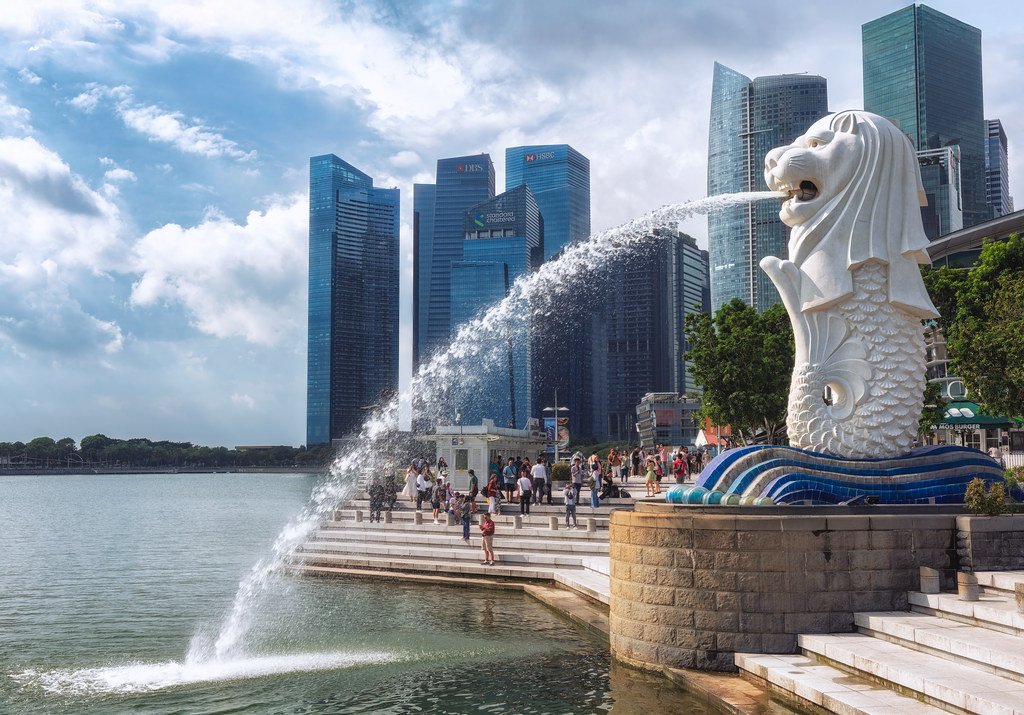
Singapore has a reputation as one of the most expensive cities in the world, and for residents buying property or running a car, that is entirely fair. For a short-stay visitor, it is misleading. Two of the three things you spend most on while travelling, food and transport, are cheap here. The trick is knowing which costs to absorb and which to sidestep.
Where Singapore is genuinely expensive
- Accommodation. Land is scarce and hotel rates reflect it. This will be the largest line in your budget by some distance.
- Alcohol. Heavily taxed. A cocktail in a rooftop bar costs what it would in London or New York, sometimes more.
- Attraction tickets. The big-ticket paid attractions on Sentosa and around Marina Bay add up quickly for a family.
- Taxis at peak times. Surcharges apply during rush hours and late at night.
Where it is cheap
- Hawker centre food. A full, excellent meal costs a fraction of a restaurant equivalent. This is not budget food in a compromise sense; it is the best eating in the city.
- Public transport. The MRT and buses are inexpensive and reach almost everywhere, including both airport terminals.
- Many of the best attractions. A surprising number of the highlights are free.
Excellent things to do that cost nothing
- Gardens by the Bay outdoor gardens — the Supertree Grove and surrounding gardens are free; only the two conservatories are ticketed.
- The nightly light and water show at Marina Bay, watched from the promenade.
- Singapore Botanic Gardens — UNESCO-listed and free, apart from the National Orchid Garden.
- The historic quarters — Chinatown, Little India and Kampong Glam are free to wander, and the temples and mosques welcome respectful visitors.
- MacRitchie Reservoir trails — rainforest walking within the city.
- Southern Ridges — a connected series of elevated walkways and parks with skyline views.
- Jewel at Changi Airport — the indoor waterfall is free to visit, even if you are not flying.
- Haw Par Villa — a genuinely strange sculpture park of Chinese mythology, free to enter.
Eating well for very little
Hawker centres are the single biggest reason Singapore is affordable to visit. They are open-air food courts of specialist stalls, each typically doing one dish extremely well. UNESCO recognises hawker culture as intangible cultural heritage, and a couple of stalls have held Michelin recognition while still serving meals at a few dollars.
Reliable choices include Maxwell Food Centre in Chinatown, Tekka Centre in Little India, Old Airport Road Food Centre for a more local crowd, and Lau Pa Sat for atmosphere and its evening satay street. Follow the queues; Singaporeans are willing to wait a long time for the right stall.
Two practical notes. Bring some cash, as many stalls still prefer it, though contactless payment has spread quickly. And if you see a packet of tissues on a table, that seat is taken. The custom is called choping and it is taken seriously.
Keeping accommodation costs down
Because the MRT is fast and comprehensive, you do not need to pay for a central location. Staying a few stops out in a residential area such as Tiong Bahru, Geylang or Bugis typically costs noticeably less while adding only a few minutes to your journeys.
Singapore also has an unusually good range of design-led hostels and capsule hotels, many in restored shophouses, which are a legitimate option well beyond backpackers. Avoid major conference and Formula One weeks if you can, as rates rise sharply.
Practical money-saving habits
- Tap in with a contactless card or phone on the MRT rather than buying a tourist pass, unless you plan an unusually heavy day of travel.
- Drink tap water. It is safe, and refilling a bottle avoids both cost and plastic.
- Eat your main meal at lunch at a hawker centre, when the range of stalls open is widest.
- Buy alcohol before 10.30pm if you want a drink at your accommodation. Retail sales are restricted overnight, and public drinking is limited in some areas.
- Bundle attractions carefully. Combination tickets only save money if you will genuinely use every component.
- Visit museums on free or discounted days where available; several national museums offer them.
Frequently asked questions
Can you visit Singapore on a budget?
Yes. Food and transport are inexpensive and many of the best sights are free. Accommodation is the main constraint, so that is where to focus your planning.
Is hawker centre food safe?
Yes. Stalls are licensed and publicly graded for hygiene, and standards are strictly enforced. Hawker centres are where most Singaporeans eat regularly.
Do I need to tip?
No. Tipping is not customary, and restaurants generally add a service charge and tax to the bill already. Hawker stalls do not expect anything extra.
Is a tourist transport pass worth buying?
Usually not for a short trip. Tapping in with a contactless bank card or phone works on the MRT and buses and is simpler. A pass only pays off with very heavy daily use.
How much should I budget per day?
It depends almost entirely on your accommodation choice, since food and transport are modest. Price your actual hotel for your actual dates first, then add a daily allowance for meals, transport and one paid attraction. Confirm current prices before booking, as rates change constantly.