
Some links in this post are booking links. If you book through them we may earn a small commission at no extra cost to you. We only link to services we would use ourselves, and it never changes what we recommend.
Banff is genuinely a year-round destination, but it is four quite different destinations depending on when you arrive. The lakes you have seen in photographs are frozen and white for roughly half the year, which surprises a remarkable number of visitors.
Here is what each season actually delivers, so you arrive expecting the right Banff.
The most important thing to know
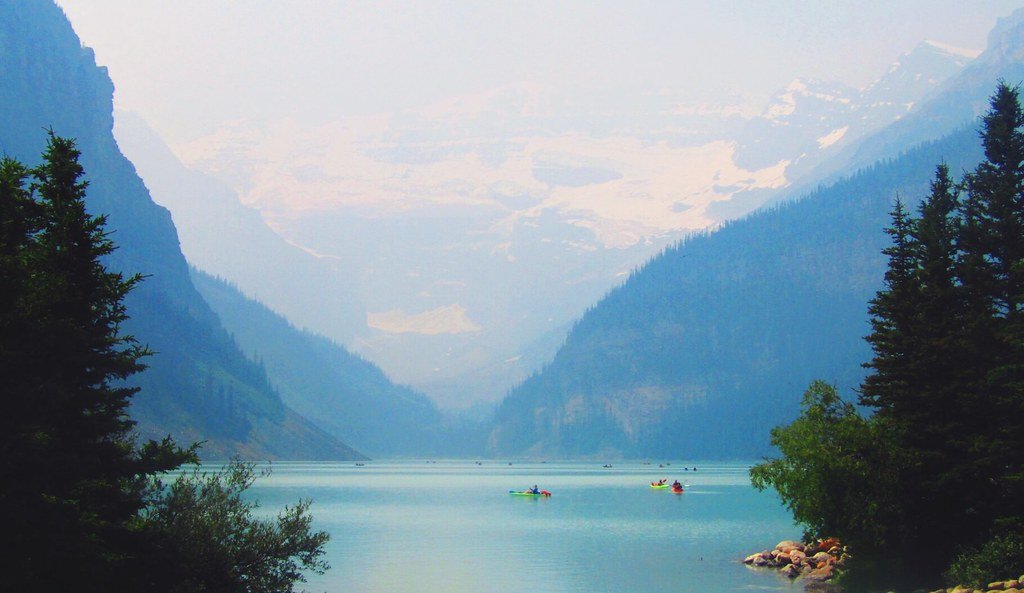
Lake Louise and Moraine Lake are frozen from roughly late autumn until late spring, and the turquoise colour comes from glacial silt suspended in meltwater. That means the famous blue only appears once the ice has gone and melt is underway, typically from late spring into early summer.
Moraine Lake also has a seasonal access road that is closed through winter and into spring. If the turquoise lakes are your reason for coming, you are looking at roughly June to September, and anything earlier is a different trip.
Summer: June to August
Everything is open, the lakes are at their most vivid, trails are clear of snow and the wildflower meadows peak in July and early August. Days are long, with light lasting well into the evening.
It is also the busiest and most expensive season by a wide margin. Parking fills before breakfast, shuttles sell out weeks ahead and accommodation prices roughly double. July and August also carry the risk of wildfire smoke drifting in from elsewhere in western Canada, which can flatten the views for days at a time. That is unpredictable and worth knowing about rather than worrying over.
Early June is an underrated window: the lakes are usually thawing into colour, high trails may still hold snow, but the crowds have not properly arrived.
Autumn: September and October
The best-value season and, for many repeat visitors, the best one full stop. September keeps most summer access with noticeably thinner crowds and cooler, crisp hiking weather.
The specific draw is the golden larch, which turn yellow for a short window in late September. Larch Valley and Sunshine Meadows are the classic places to see it, and it is brief, weather-dependent and very popular with photographers.
By October, snow arrives at altitude, seasonal roads and facilities begin closing, and the shoulder season quiet sets in.
Compare rates by season
The price gap between July and late October in Banff is dramatic. Check both before deciding:
Winter: November to March
A completely different destination, and an excellent one if you know what you are buying. Three major ski areas, frozen waterfalls, ice walks through Johnston Canyon, skating on frozen lakes, and a real chance of northern lights on clear nights.
Temperatures can be severe, and proper cold-weather clothing is not optional. Days are short, some roads and trails close, and winter tyres or chains are legally required on certain routes in the mountain parks during the winter months. Check the requirements before hiring a car.
Outside the ski resorts themselves, winter is the cheapest time to visit.
Spring: April and May
The awkward season, and the one to approach with clear expectations. The ski season winds down, the lakes are still frozen or only beginning to thaw, many high trails remain snowbound and some facilities are closed for changeover.
What you get in exchange is the lowest prices of the year, near-empty viewpoints, waterfalls at full melt-driven force and excellent wildlife viewing as bears emerge and elk calve. For a quiet, cheap, scenic trip where the lakes are not the point, it is a sound choice.
What to pack, by season
Banff sits high in the mountains, and the temperature swing between a sunny afternoon and the same evening is large in every season. Layering is not a suggestion here.
Summer. Shorts and t-shirts for the middle of the day, but always carry a fleece and a waterproof shell. Mountain weather turns quickly, and a lakeside viewpoint at seven in the evening is considerably colder than the car park was at two. Sun protection matters more than most people expect at altitude, and so does insect repellent near water in early summer.
Autumn. Proper hiking layers, a warm hat and gloves for early starts. Snow at elevation from October is normal rather than exceptional.
Winter. Serious cold-weather clothing: insulated boots with grip, thermal base layers, a down jacket, hat, gloves and something covering your face. Traction devices for your boots are inexpensive and transform icy trails and town pavements alike.
Spring. The hardest to pack for, because you may meet snow, mud and warm sun in a single day. Waterproof boots are the key item.
Year-round, bring a refillable water bottle, bear spray if you intend to hike in the warmer months, and sunglasses, which are as necessary against snow glare in February as against lake glare in July.
How season changes the logistics
Season does not only change the scenery in Banff, it changes how the park operates, and that catches people out more than the weather does.
In summer, shuttle reservations for Lake Louise and Moraine Lake are released on a schedule and disappear quickly, parking fills before most people have had breakfast, and accommodation needs booking months rather than weeks ahead. The upside is that everything is open and running frequently.
In winter, the constraint moves to the roads. Winter tyres or chains are legally required on certain mountain routes during the colder months, hire cars do not always come fitted with them by default, and some seasonal roads close entirely. Daylight is short, so a full day of sightseeing is genuinely shorter.
In spring and late autumn, the risk is simply that something you travelled for is shut. Gondolas, tea houses, some trails and certain roads all have seasonal operating windows that shift year to year with conditions. Check opening dates for the specific things you care about before fixing your travel dates, rather than after.
Which month for which trip
- Turquoise lakes and full access: late June to early September.
- Hiking with fewer people: September.
- Golden larches: a short window in late September.
- Skiing: December to March, with the most reliable snow in the middle of that.
- Lowest prices: April, May and early November.
- Wildlife: spring and autumn, at dawn and dusk.
Frequently asked questions
When are the lakes actually blue?
Once the ice has melted and glacial melt is feeding them, which generally means early summer onwards, deepening through the warmer months. Exact timing shifts year to year with the weather.
Is Banff worth visiting in winter?
Yes, provided you want a winter trip rather than the summer photographs at a discount. Ice walks, skiing and the quiet are genuinely special.
How bad is wildfire smoke?
It varies enormously year to year and cannot be predicted in advance. It is most likely in mid to late summer. Building in a few flexible days helps, as conditions often shift within a day or two.
When is the cheapest time to go?
Spring and the gap between the end of autumn colour and the start of the ski season. Both trade access for price, so be clear about what you want to do.
Pingback: Banff Itinerary: How to Spend 5 Days in the Canadian Rockies - Lisa World Travel
Pingback: Best Time to Visit Mexico City: A Month-by-Month Guide - Lisa World Travel