
Some links in this post are booking links. If you book through them we may earn a small commission at no extra cost to you. We only link to services we would use ourselves, and it never changes what we recommend.
New York rewards planning more than almost any city, not because it is difficult, but because it is dense enough that a badly ordered day can waste two hours in transit. The trick is to treat each day as a neighbourhood rather than a list of sights.
This four-day itinerary groups the city geographically, keeps one evening deliberately unplanned, and assumes you would rather see five things properly than eleven things badly.
Day 1: Midtown and the classic view
Start at Grand Central Terminal early, before the concourse fills. Walk to Bryant Park and the New York Public Library, then head up Fifth Avenue.
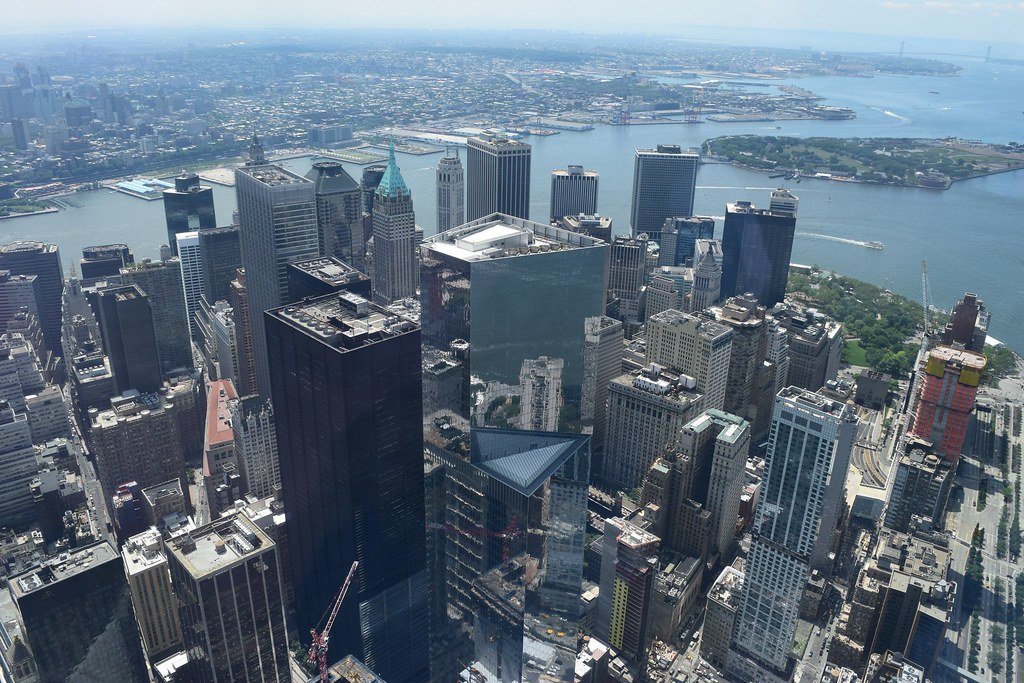
For the skyline view, you have three real options and they are genuinely different experiences. The Empire State Building is the icon, but it is not in its own view. Top of the Rock looks directly at the Empire State Building with Central Park behind it, which is why photographers prefer it. Summit One Vanderbilt is the mirrored, immersive one, and it divides people sharply.
Book a timed slot around sunset and arrive roughly forty minutes before, which buys you daylight, golden hour and the lit skyline on one ticket.
Finish in Times Square if you want to see it, and be honest that twenty minutes is enough. It is a spectacle, not a destination.
Day 2: Downtown, the Memorial and the Brooklyn Bridge
Begin at the 9/11 Memorial pools, which are free to visit and quietest first thing. The museum below is substantial and emotionally heavy; allow two hours and do not schedule anything demanding straight afterwards.
Walk through the Oculus, then down to Wall Street and Battery Park. For the Statue of Liberty, the Staten Island Ferry is free and passes reasonably close, which satisfies most visitors. If you want to climb the pedestal or crown, that is a separate ticketed trip booked well in advance, and it takes most of a day.
Cross the Brooklyn Bridge in the late afternoon, walking from Manhattan to Brooklyn so the skyline is ahead of you rather than behind. Land in DUMBO for the Manhattan Bridge view, then dinner in Brooklyn Heights.
Where to base yourself
Location matters more than star rating in New York, because the subway ride is the real cost. Compare areas before you book:
Day 3: Central Park, museums and the Upper East Side
Enter Central Park at the southeast corner and walk north through the Mall, Bethesda Terrace and the Bow Bridge. An hour and a half gets you the best of the southern half without forcing a route march.
Then choose one museum, not two. The Metropolitan Museum of Art is vast and needs at least three hours to be worth entering. The American Museum of Natural History is the better choice with children. MoMA is the strongest option if modern art is your thing and you want to be out in two hours.
Late afternoon, walk down Museum Mile or take the subway to the Upper West Side for a different, more residential version of the city.
Day 4: The High Line, Chelsea and the Village
Walk the High Line from the Hudson Yards end southwards, which puts the light behind you in the morning and finishes near Chelsea Market for lunch.
From there, wander into the West Village, which is the part of Manhattan most likely to make you want to move there. The streets stop following the grid, the buildings drop to four storeys, and it is the one area where getting lost is the point.
Keep the final evening loose. Greenwich Village jazz, a Broadway show or simply a long dinner all work, and after three structured days the absence of a plan is a relief.
Practical things that make the trip easier
- Tap to pay on the subway. Contactless bank cards and phones work directly at the turnstile, and fares cap automatically after a set number of rides in a week. You rarely need a physical MetroCard any more.
- Walk more than you think. Twenty north-south blocks is about a mile and is often faster than waiting for a train.
- Book the big-ticket items early. Observation decks, the 9/11 Museum and popular restaurants all release timed slots that sell out.
- Tipping is not optional. Budget for it on every restaurant and bar bill; it is a structural part of the price, not a bonus.
- Sales tax is added at the till. The shelf price is never the final price.
Is a city pass worth it?
Only if you genuinely intend to do three or more paid attractions in quick succession. The maths works for first-time visitors ticking off observation decks and major museums, and fails for anyone planning a slower trip built around neighbourhoods and food. Add up the attractions you actually want before buying, rather than buying and then inventing attractions to justify it.
Frequently asked questions
Is four days enough for New York?
It is enough for a satisfying first visit covering the major areas. It is not enough to feel unhurried, and you will leave with a list. That is normal and arguably the point.
Which airport should I fly into?
JFK and Newark both have direct rail links into Manhattan. LaGuardia is closest but has no direct train. Compare total transfer time and cost rather than just the airfare, because the difference can erase a cheap fare.
Do I need to book Broadway in advance?
For the biggest shows, yes. For everything else, same-day discount booths and digital lotteries genuinely work, and they are the difference between a show being affordable and not.
Is New York safe for tourists?
The tourist areas are busy and well policed, and ordinary city awareness is sufficient. Late-night subway platforms are the main place to pay attention; wait in the marked area near the booth.
Pingback: Where to Stay in New York City: Best Neighbourhoods for Your Trip - Lisa World Travel