
- Key Takeaways
- Why Eastern Belgium’s Markets?
- Discover Key Christmas Markets
- Taste the Local Festivities
- What Local Artisans Offer
- Plan Your Visit
- Beyond the Market Stalls
- Conclusion
- Frequently Asked Questions
- When do Christmas markets in eastern Belgium usually open?
- What are the must-visit Christmas markets in eastern Belgium?
- Are Christmas markets in eastern Belgium family-friendly?
- What local foods can I try at the markets?
- Can I buy handmade gifts and crafts?
- How do I get to the Christmas markets in eastern Belgium?
- What else can I do near the markets?
Key Takeaways
- Belgium’s eastern Christmas markets present an interesting fusion of both German and Belgian traditions with lots of different food, crafts, activities, and of course the ambiance in a beautiful setting.
- These markets are nestled right in the magical outdoors of the Ardennes, where winter sports, villages, and nature walks are part of the package of everything that makes this time of year so special.
- Smaller market sizes create a cozy, intimate atmosphere and you often find yourself talking with local artisans and vendors in a meaningful way.
- You’ll find authentic handmade crafts, like woodwork, textiles, ceramics, and ornaments, giving you chances to support local artisans and discover unique gifts.
- Each market, Eupen, Malmedy, St. Vith, Kelmis, and Bütgenbach, has its own unique offer and entertainment, which is why visitors are encouraged to experience as many locations as possible.
- By planning ahead regarding travel, lodging, and market hours, you can make the most of your visit to Eastern Belgium’s Christmas markets.
Eastern Belgium’s Christmas markets are a medley of local crafts, food stalls and festive lights, winding through towns and small cities. Handmade gifts, mulled wine and fresh pastries await shoppers at every stop.
Markets in eastern Belgium, Eupen and Liège, entice visitors with tunes and toasty goodies. Street scenes brim with folks and festive sounds.
To find out what makes each market stand out, the following sections provide more information and advice.
Why Eastern Belgium’s Markets?
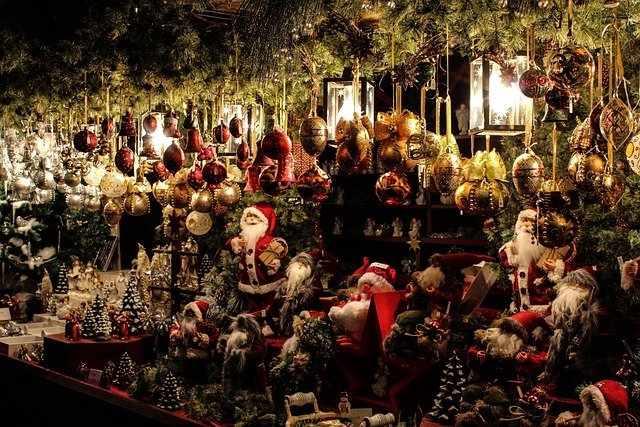
Eastern Belgium’s Christmas markets, particularly in towns near the German and Dutch borders, are distinguished by their blend of German and Belgian traditions, offering a cozy Christmas market experience with beautiful Ardennes backdrops. These markets attract tourists seeking a warm encounter with local crafts, comforting foods, and the beloved Belgian chocolate and Christmas traditions.
German-Belgian Fusion
German traditions significantly influence the region’s Christmas markets, where you’ll find German Christmas music, Advent wreaths, and wooden stalls reminiscent of German holiday fairs. Alongside these traditions, you’ll experience delightful Belgian touches—sweet waffles, Belgian chocolate, and local brews. Food remains a major attraction, as sausages and pretzels mingle with Belgian fries and speculoos biscuits, making the Belgian Christmas markets a unique culinary experience.
Markets often feature German-style mulled wine and Belgian hot chocolate, enhancing the festive atmosphere. Common traditions, such as tree lightings, choral performances, and Saint Nicholas visits, create a cozy Christmas market vibe.
Cross-cultural events such as folk dancing or carol singing in both languages emphasize the area’s dual heritage. Some markets even have bilingual signs and announcements, making the mix clear to international visitors.
Ardennes Scenery
Activity | Description |
|---|---|
Ice skating | Outdoor rinks set up near market squares |
Sledding | Gentle slopes close to village centers |
Nature walks | Trails through forests and hills |
Santa visits | Family events in scenic outdoor settings |
With its rolling hills and dense forests, the Ardennes are the reason why every market visit feels like a winter vacation. Villages are tucked into valleys with old stone buildings and candles reflecting off rivers.
Walking trails frequently meander straight through the markets, allowing guests to flow effortlessly from stall to stall and into adjoining woods or parks. Others take place in dramatic settings, perhaps an old cave or an old square, adding a unique spin to the experience.
These natural and constructed surroundings contribute to the tranquil pace and appeal, a long way from the hustle and bustle of urban mega markets.
Intimate Atmosphere
Many of the markets in Eastern Belgium are smaller, so there is less noise and more space to wander. Shoppers can wander leisurely, talk to vendors, and skip lines.
The local vendors are always friendly and welcoming and enjoy chatting about their wares. With candlelit stalls, strings of warm lights, and the aroma of fresh pastries in the air, it’s cozy!
Most vendors are the artisans who created the piece, and they encourage inquiries about their craft, personalizing each transaction.
Authentic Crafts
Handmade crafts are a highlight here, with everything from wooden toys and ceramics to hand-knit scarves and local jams. Many crafts exhibit local craftsmanship and motifs, keeping the old ways alive.
When you buy directly from the artisans, you’re supporting the local economy and each gift carries its own story. A few of the vendors even talk about how their craft is connected to family or village traditions, allowing consumers to feel a more intimate connection to their purchase.
Discover Key Christmas Markets
Old and new, cozy and vibrant – Eastern Belgium’s Christmas markets have it all. Every market has its own vibe, influenced by the local culture and traditions. Many open earlier than most in Europe, some as early as late November.
The weather tends to usher in crisp breezes and gray skies, but the cozy lights and music create a chipper ambiance. From tiny town squares to lakeside scenes, markets big and small offer a fresh way to feel the season.
Market | Distinctive Features | Festive Activities | Notable Offerings |
|---|---|---|---|
Eupen | Local delicacies, artisanal crafts | Performances, historic tours | Decorated stalls, sweets |
Malmedy | Scenic setting, crafts, specialties | Music, community events | Handmade gifts, pastries |
St. Vith | Culture, traditions, hospitality | Food tastings, holiday events | Mulled wine, regional food |
Kelmis | Traditional, family focus | Music, crafts, activities | Toys, ornaments, snacks |
Bütgenbach | Lakeside market, light displays | Outdoor fun, food tasting | Regional treats, hot drinks |
1. Eupen’s Charm
Eupen’s Christmas market is popular for its selection of local delicacies and artisans’ handcrafted goods. The booths flaunt candies, cheeses, and boutique jams. The square is alive with strings of lights and ornaments that color and warm the air despite the winter.
Choirs, music, and children’s performances take place throughout the season, adding a jovial warm atmosphere to the market. Many visitors like to wander the nearby historic streets, with landmarks and old buildings complementing the town’s allure.
2. Malmedy’s Magic
Malmedy is located at the foot of the High Fens, and its Christmas market is notable for its winter setting, with snow-covered roofs and fir trees. Local foods, hand-carved goods and fine chocolates line your path.
The market remains bustling with live music, seasonal plays and dance performances. Folks are fast to strike up a conversation, and the communal spirit of jubilee is palpable. This blend of ancient traditions and modern crafts is what makes Malmedy a favorite among locals and tourists alike.
3. St. Vith’s Spirit
St. Vith’s market is local culture front and center, with traditions that go back generations. You can sample mulled wine, sausages, strudels and other local delicacies.
It’s hard not to have fun with workshops for kids, parades and community games. Locals welcome you with open arms, frequently offering tales or insider advice on secret locations. Combined with the strong sense of welcome, this infuses the market with added charm.
4. Kelmis’s Tradition
Kelmis presents a Christmas market steeped in tradition where several of the stalls are operated by local families. It is centered around kids’ crafts, story hours, and mini-concerts.
We’re talking handmade toys and ornaments here, of course, along with baked goods. Hearing local bands and seeing plain old-style decorations make it a nice choice for families.
5. Bütgenbach’s Lakeside Glow
Bütgenbach’s market rests by a peaceful lake, its lights shimmering in the water. The vantage point is most spectacular at dusk, when the entire region illuminates.
Visitors can sample skating, hiking, or tasting hot beverages and local cuisine. Fish, stews, and spiced breads are market favorites. It’s your destination for outdoor adventure and holiday shopping.
Taste the Local Festivities
Christmas markets in eastern Belgium combine tradition, local flavor and a warm spirit of togetherness. Food and drink are central, providing an access point to the local customs. Market squares become filled with the smell of baked goods, stews and Christmas spirits, all with the backdrop of old buildings and twinkling lights.
The festive season here, from 5 December to 4 January, unites people as they sit down to share meals, sample treats and soak up seasonal cheer.
- Flemish stew (carbonnade)
- Crispy fries with a range of sauces
- Grilled sausages and cured meats
- Belgian waffles (Liège and Brussels style)
- Artisanal chocolates and pralines
- Spiced gingerbread and marzipan
- Mulled wine (vin chaud) and local beers
- Hot chocolate and festive cocktails
Savoury Delights
Vendors at eastern Belgium’s markets dish out some flavorful, hearty options with a local flair. Flemish stew (carbonnade) simmers with beef, onions, and dark beer. Flame-grilled sausages and charcuterie platters are readily available, typically accompanied by crusty fresh-baked bread.
With so many dishes made from local produce, visitors get a taste of the region’s farms and fields. Fries, flash-fried in beef fat, are served with mayonnaise, curry ketchup, or tangy aioli. These comfort foods keep visitors cozy in the cold winter days, when average temperatures hover between 10 to 13 degrees Celsius.
The eats are uncomplicated, satisfying, and meant to unite – either wolfing down a quick bite during breaks on the Ferris wheel or after you’ve taken a seat following your skate.
Sweet Treats
I can vouch for Belgian sweets as a highlight. They’re surrounded by hoards of people attracted by the delicious aroma and colorful stands. Waffles are cooked to order, sprinkled with powdered sugar or drizzled with chocolate.
One that shouldn’t be missed, especially during the holidays and Christmas markets, is the Liège waffle with its caramelized sugar and soft inside. Brussels waffles, lighter and crisp, are another favorite. Pralines are created by expert chocolatiers, both in boxes or individual pieces.
Craftsmen create marzipan, gingerbread and speculoos cookies in old-fashioned ways. The variety of sweets is for all ages, complementing the festive spirit with each spoonful. Candies unite us, either with the family or by grabbing a bag to snuggle up with during the lighting of the thousands of candles in the Grand Beguinage.
Warming Drinks
Warm drinks infuse the markets with coziness. Mulled wine, spiced and served steaming, is the classic. Hot chocolate, dense and thick, is another favorite, particularly among younger tourists.
Try local brews like Belgian beers or festive cocktails for a nice touch. There’s nothing like sharing a beverage with your neighbor, sitting at long tables under twinkle lights and music.
Sharing a drink with friends or strangers alike fosters the feeling of camaraderie that makes the Belgian Christmas market experience so special. With longer market hours on the weekends and holidays, there’s always time for another cup. There’s nothing like the comfort of something warm to drink outside to make the season!
What Local Artisans Offer

Christmas markets in eastern Belgium unite a diverse array of talented local artisans. Browser-friendly finds will showcase everything from classic handiwork to contemporary updates on vintage designs. Local artisans leverage their expertise to create a vibrant marketplace. Every booth weaves a different tale. The holiday season is a prime opportunity for artists to showcase their work, preserve local heritage and boost the local economy.
When you support these artisans, it’s more than just getting a gift. It means supporting the hands behind every item.
Woodworkers, potters, weavers and jewelers stock these markets with handcrafted goods. You’ll discover hand-carved toys, intricate wooden ornaments, distinctive ceramics and exquisite textiles. Jewelry makers frequently offer custom pieces and food and drink makers sell local fare, from stollen to spiced jams. Several artisans make unique ornaments and tableware. The variety of goods captures various regional styles and traditions.
Shopping local artisans provides consumers with an opportunity to support craft and skill that has often been handed down from generation to generation. Every item represents not hours of labor, but hours of craftsmanship. Supporting handmade instead of factory-made goods keeps local culture alive.
They usually have a story behind them too. Whether it’s a scarf spun in a family atelier or an ornament molded by hand, there’s significance to be found with each. Stop in and discover unique gifts! They’re usually crafted to be durable, providing a souvenir of the journey.
A lot of the art on display at the markets includes daring, contemporary pottery and classic textile prints. There’s a little something for everyone. This style mashup means it’s simple to discover timeless and fresh designs.
Woodcraft
Woodcrafts stands show off hand-carved ornaments, toys, bowls and candleholders. Makers employ local woods and ancient techniques, handing their craft down from generation to generation. Their painting tends to feature regional patterns, such as stars and pine trees.
These gifts double as keepsakes and bring a bit of nature into homes. Wood gifts are earth-friendly and waste reducing. A lot of woodworkers do custom work as well, allowing buyers to select colors or shapes.
Textiles
Scarves, hats and table linens crowd the textile booths. Makers have access to locally sourced wool, cotton, and linen. They are pieces with strong seams, rich dyes and fine details.
Some of the stalls display contemporary designs and others are old fashioned. Textile arts run deep in the area, frequently narrating tales with hue and needle. Discover everything from cozy throws to vivid table runners.
Ceramics
Local ceramicists provide mugs, bowls, vases and plates. All are hand-shaped and glazed. Some emphasize vibrant colors, while others use earth tones.
It’s a slow process requiring craftsmanship and it yields both functional and pretty outcomes. Local ceramics frequently bear patterns or marks indicative of local culture. Many buyers purchase mugs or plates as presents. The story behind each piece adds value.
Ornaments
Ornaments range from stars to painted animals. They’re all handmade, so none are alike. Some are wood, some are glass or felt.
These little treats are great gifts or souvenirs. Most of us select decorations that fit our style or call to mind the vacation. There’s nothing like using a local ornament to decorate for the holidays to bring a little bit of the market home and make this season feel special.
Plan Your Visit

The Christmas markets of Eastern Belgium attract visitors from across Europe and even further afield with their combination of yuletide cheer, regional crafts and seasonal delicacies. A little advance planning goes a long way toward making the visit seamless and enjoyable.
These tips help travelers get the most out of their experience:
- Make sure to bring cash for food, drinks, and rentals. Some stalls may be cash only.
- Bundle up in warm layers, gloves, scarves, and boots. The evenings can be frosty!
- Check each market’s opening days and hours. All but a few run from late November through December 23 or 24, although a few close sooner.
- Try to visit the first week of December or on weekdays. We found it quite crowded.
- Keep an eye out for unusual markets, like this one in caves. They might only be open for a single weekend.
- Book accommodations early; the holiday season is busy.
- If you’re into the tasty holiday beverage, some markets actually charge a small deposit for mugs, which they will refund when you return them.
- Special activities for kids and families including Santa.
Getting There
The top travel alternatives to Eastern Belgium’s Christmas markets are trains, regional buses, and car rentals. Trains run between Brussels, Liège and Aachen to towns such as Eupen, Verviers and Malmedy, which is a 1 to 2 hour journey.
Regional buses connect smaller towns to these centers, but services can become infrequent after nightfall. Car rentals offer travelers the convenience of enjoying multiple markets in a single day or discovering hidden gems outside the usual tourist routes. For groups or families, renting a car can be convenient and economical.
There’s no shortage of markets to visit as most are easily accessible from neighboring German, Dutch, and French cities. Public transport is really good, with direct connections from cities like Cologne or Maastricht to Belgian border towns.
If you’re coming from a bit farther afield, international airports in Brussels or Düsseldorf are an easy access point, with a quick train or rental car drive into East Belgium.
Where to Stay
Choose a hotel, guesthouse, or apartment near the markets. Most of the towns have boutique hotels, family-run inns, and budget hostels so travelers can pick something that fits their needs.
Booking early allows you to catch the best rates and the most selection before the holiday rush. By staying in a local town, visitors are right in the midst of all the market activity and can still often experience peaceful mornings and evenings after the crowds have diminished.
It’s a great way to experience the region’s customs and connect with local innkeepers. Families with kids might like hotels with bigger rooms or playgrounds close by.
Best Times
Weekdays and the first week in December are much less crowded, perfect if you’re the type to shun long lines. Visits in the evening are special because you get to see the markets all lit up, with decorations and stalls shining under lights.
There’s nothing like the combination of gluhwein and warm weather, just so you can be prepared to feel extra cozy as the temperatures drop. Some weekends there are choirs, local bands, or a parade, creating a festive scene for visitors of all ages.
On special days, Santa Claus visits are a hit with families with children.
Beyond the Market Stalls
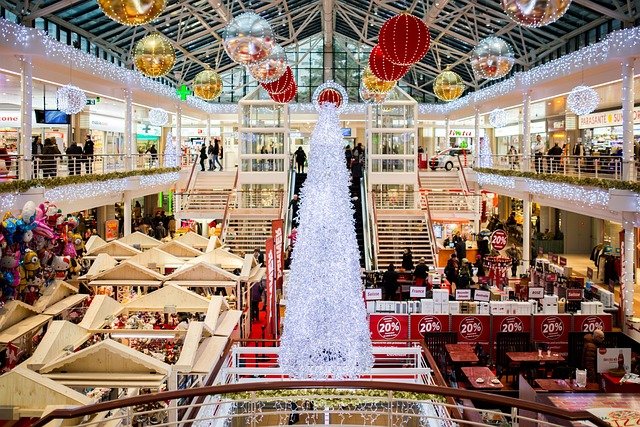
Going to these Belgian Christmas markets in eastern Belgium is not just about shopping. These markets turn into the epicenter of winter life in their towns, complete with music, food, and sights that unite people. The Christmas market stalls are the primary attraction, but the true magic of the season emanates from all of the activity surrounding them.
Most of these markets will have live shows. Choirs belt traditional tunes with daily performances or sing-a-longs that infuse the atmosphere with warmth. Wind bands play old tunes and give us a festive mood. There is always something going on from a group of folk dancers to an impromptu little theater for the kids. These events aren’t for spectators only; they encourage participation and make everyone feel ‘in the action’.
That’s not including the eating, which is a big part of the visit. The scent of lentil soup, mulled wine, and sweet gingerbread wafts through the air. Market-goers can sample hot beverages and snacks from food vendors or opt for heavier fare such as seafood at a Christmas buffet. There are tables where friends can congregate and locals may commune with visitors. The combination of flavors and aromas, including delightful Belgian chocolate and famous Belgian waffles, is just as much a draw as the shopping.
For those wishing to look further than the market square, the towns and cities had plenty to offer. A lot of them are right next to old churches, townhomes, and other landmarks. Beyond the market stalls, strolling the streets, tourists observe historic buildings, some with hundreds of years of history.
In Hallstatt, the narrow lanes and tiny homes seem like a storybook come alive with Christmas trees arranged in meandering lines, straight out of a fairytale. Outdoor fun is simple to discover, too. Ice skating rinks spring up in town centers, allowing children and adults alike to enjoy the ice.
There are ferris wheels for those who want to climb above the city to look down on rooftops and market lights. Beautiful locations surrounding the towns allow visitors to enjoy mountain views or capture photos of ancient bridges and squares kissed with snow. Even a quick stroll around the neighborhood will provide a taste of local life and the peace of winter in Belgium.
Little touches like gathering a choir, sampling a hot snack or wandering through a Christmas tree maze make visitors feel at home. Rubbing shoulders with the locals, hearing their holiday traditions and experiencing the way they unite during this time of the year is just as valuable a keepsake as any souvenir.
Conclusion
Eastern Belgium adds a cozy twist to the season. Markets waft the scent of baked goods and warm beverages. Stalls exhibit local craft that feels both fresh and ancient. Strangers from everywhere stroll shoulder to shoulder, absorbing twinkling lights and festive live music. A little chill bites the air, but the night is heated by laughter. All have their own mood, with small towns and big city squares alike providing a real regional flavor. To maximize your visit, consult local dates and travel tips ahead of time. Spread the discoveries and tales. These markets provide both bright sparks to share.
Frequently Asked Questions
When do Christmas markets in eastern Belgium usually open?
The majority of Christmas markets in eastern Belgium, such as the bustling Ghent Christmas market and the cozy Leuven Christmas market, operate from late November through December, extending into January.
What are the must-visit Christmas markets in eastern Belgium?
Popular markets include those in Liège, Eupen, and Malmedy, where the festive activities and cozy Christmas market atmosphere are complemented by local foods and traditional crafts.
Are Christmas markets in eastern Belgium family-friendly?
Yes, the majority of bustling Christmas markets are family-friendly, featuring activities for kids, plenty of holiday lights, and decadent surroundings, with some even offering rides or entertainment suitable for all ages.
What local foods can I try at the markets?
Indulge in specialties such as Belgian waffles, regional sausages, and mulled wine at the bustling Christmas market stalls. Sampling these traditional Christmas market foods is an integral part of the experience.
Can I buy handmade gifts and crafts?
Yes, lots of local artisans hawk their handmade gifts, ornaments, and crafts. From ceramics to jewelry to wooden toys, there is a lot to discover. These are great souvenirs or gifts.
How do I get to the Christmas markets in eastern Belgium?
Eastern Belgium is conveniently accessible via train, bus, and car, making it easy to explore various Christmas markets. Major cities have public transit to bustling Christmas market areas, so map your route beforehand.
What else can I do near the markets?
Visit nearby local museums, historical landmarks, or nature trails. A lot of the towns have seasonal concerts and cultural events happening during the Christmas period that will make your visit even more memorable.