
- Key Takeaways
- Why A Croatian Multi-Centre Holiday?
- Crafting Your Croatian Journey
- The Art of Croatian Travel
- When To Visit Croatia
- Beyond The Tourist Trail
- Croatia And Its Neighbours
- Conclusion
- Frequently Asked Questions
- What is a Croatia multi-centre holiday?
- How do I plan a multi-centre holiday in Croatia?
- What is the best time for a multi-centre trip to Croatia?
- Can I include neighboring countries in my Croatia itinerary?
- Are there good transport connections between Croatian cities?
- Is a multi-centre holiday suitable for families?
- How long should I spend on a Croatia multi-centre holiday?
Key Takeaways
- A Croatia multi-centre holiday really does provide the best of both worlds. It offers a fantastic opportunity to see both the coast and inland areas, providing a great diversity of experiences within the one trip.
- Our flexible itineraries give you the freedom to craft your own journey, whether through historic cities, island retreats, or picturesque vistas.
- Fast ferries, buses, and car rental make sure you don’t waste a moment of your holiday!
- Spring or autumn visits offer fewer crowds, competitive prices, and stunning seasonal colors.
- Going off the beaten path allows you to experience local culture, savor authentic regional dishes, and support environmentally-friendly resorts, all contributing to a richer travel experience.
- If you’re considering Croatia multi-centre holidays with stops over to its neighbouring countries, you might find your holiday enriched with further cultural and scenic highlights.
Croatia multi-centre holidays are holidays with multiple destinations in Croatia. Visitors travel to destinations like Dubrovnik, Split, or Zagreb or to islands including Hvar and Korčula.
All have their own sights, cuisine, and beaches. Many people choose this to experience more in a single trip without long-distance traveling.
Below are the top routes, tips, and must-see stops.
Why A Croatian Multi-Centre Holiday?
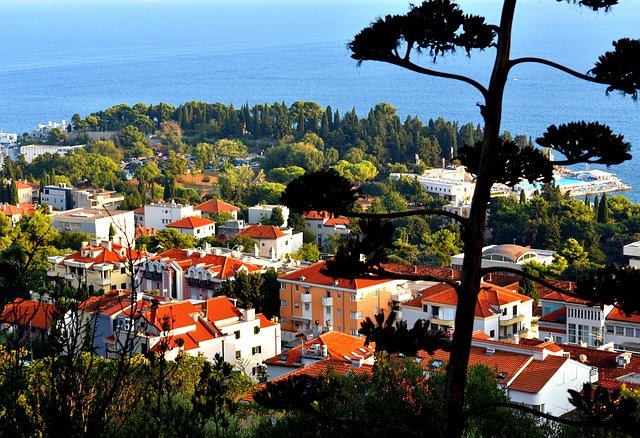
A Croatian multi-centre holiday is perfect for those who desire a little more than just one location. Offering the perfect blend of old towns, green hills, islands and blue sea, Croatia really provides a taste of several destinations in one. It’s so easy to hop from one spot to the next. You get to see a lot without spending hours on the road.
You can discover UNESCO World Heritage sites in Dubrovnik, Split, and Trogir. Wander bustling markets and ancient streets in Zagreb, the capital, while relaxing on the beaches of Brač, Hvar, or Korčula. Hike in Plitvice Lakes or Krka National Park, and enjoy local food and music at village festivals. Additionally, you can island-hop among the 1,244 islands in the archipelago or participate in Pelješac or Istria wine tours. Water sports or sailing along the Dalmatian coast offer more opportunities for adventure, while museums, forts, and Roman ruins in Pula or Zadar enrich your experience.
One of the great attractions of a Croatian multi-centre holiday is experiencing coastal and inland sights during the same trip. One day you stroll along the city walls in Dubrovnik, the Adriatic on one side, red roofs on the other. One day you could be hiking through the forests surrounding Plitvice, where falls slice through green hills. This sea-land mix means every stop is novel and you never get bored.
Croatia boasts a rich and diverse cultural narrative. In places like Split or Pula, you can find Roman ruins and old palaces, while on islands such as Hvar, old stone towns and quiet beaches coexist. Folk festivals and local food markets are readily available, providing insight into day-to-day life. From studying ancient kings in Zagreb to sampling seafood on Korčula, each destination has its unique charm and lifestyle.
This makes it easy for visitors to experience Croatian culture and history from within, rather than just touring the sights. Another major advantage is the flexibility offered by a bespoke itinerary. With short travel times and excellent ferry connections, you can decide how many places to explore and for how long. Some will choose a handful of major cities, while others may opt for day trips to national parks or islands.
It’s simple to construct an itinerary that suits your rhythm, preferences, and unique travel style. Whether you focus on history, nature, or food, or combine them all, Croatia’s compact layout and excellent travel network allow you to keep your holiday as packed or as relaxed as you desire.
Crafting Your Croatian Journey
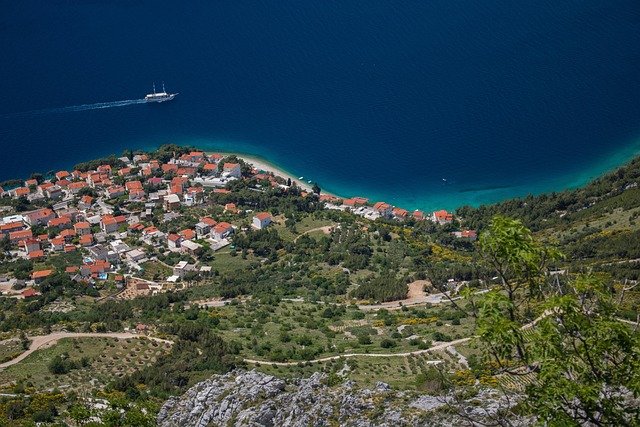
Multi-centre holidays in Croatia offer an exciting opportunity to explore Croatia’s city, island, and wilderness, creating a bespoke itinerary that combines the best of these experiences. With the country’s efficient ferry and road network, you can easily piece together a trip that captures the unique charm of different destinations, providing a great taste of the country’s diversity.
1. The Classic Dalmatian
Split and Dubrovnik, both UNESCO World Heritage sites, are celebrated for their ancient walls and historic charm. As tourists wander the stone alleys, they discover Roman ruins, Gothic churches, and lively open-air markets. Dubrovnik’s magical city walls provide stunning vistas across the Adriatic, while Split’s Diocletian’s Palace hums with local life and street cafes, making it a perfect holiday destination for those seeking unique cultural experiences.
Nightlife pulses along the Dalmatian coast, with Split’s buzzing bars and Dubrovnik’s open-air venues enticing crowds late into the night. The local cuisine, a tapestry of Mediterranean and local influences, offers fresh seafood, grilled vegetables, and risottos. Tasting some local wines like Plavac Mali enhances the experience, especially for active travelers looking to indulge in the region’s culinary delights.
Island hopping is seamless from these towns, with ferries servicing Hvar and Korčula, both showcasing idyllic islands with stunning views. Hvar boasts lavender fields and late-night beach clubs, while Korčula captivates with its quiet coves and walled old town. Each island presents opportunities for relaxation and a more local experience, making it an essential part of any multi centre holiday in Croatia.
2. Istria & Kvarner
Rovinj and Pula, located in the NW, are rich in Roman history. From Pula’s amphitheater to Rovinj’s pastel harbor, each detail provides a window to the past. Istria’s famous wines come from these vineyards, and the indigenous truffles are a culinary staple.
Nature enthusiasts discover biking and hiking paths galore, meandering through olive and pine forests. Kvarner Bay, with quiet beaches, is off the beaten path from the masses.
3. Mainland & Islands
Nothing makes a more complete experience than mixing city stops with island visits. Ferries connect towns like Split to islands like Brač, keeping island-hopping trips slick and convenient. On land, Zagreb’s museums and Plitvice Lakes National Park attract tourists with both history and nature.
City and island peace beautifully straddle your Croatian trip with just a little planning. Selecting highlights and checking ferry schedules maximizes each day.
4. The Southern Gems
Makarska and Pelješac are less overrun and steeped in local color. The southern coast has sheer cliffs and pebble beaches that are ideal for water sports and sunbathing. Tiny villages like that display Croatia’s hospitality to its warmest degree.
Most have guesthouses and family restaurants where the local specialties shine. Outdoor enthusiasts can kayak, snorkel, or hike in the area’s wilderness. You can wander all day and finish with dinner by the sea, fresh fish or pašticada.
5. Beyond The Coast
Croatia’s inland keeps secret parks and ancient villages. Visit Kopački Rit Park, near Osijek, a birdwatcher’s haven and perfect for long walks. Notable among Croatia’s highlights, Plitvice Lakes National Park is famed for its shimmering blue lakes and forested walking trails.
Historical landmarks recount centuries of history, from Zagreb’s cathedrals to castle ruins in the countryside. Every region introduces new landscapes and customs, revealing yet another facet of Croatia.
Train, bus, and car rentals account for the majority of the traveling needs. Ferries are great for islands, and buses and trains connect cities. Consulting schedules and booking in advance, particularly over the summer months, keeps stress to a minimum.
The Art of Croatian Travel
Croatia’s coast, with its 1244 islands, ancient towns, and beautiful countryside, demands an open, wandering spirit for an immersive Croatia experience. Multi-centre holidays are most enjoyable when you combine different means of transport between sights, from ferries and buses to hire cars. This way, visitors can truly absorb the nation’s diverse personality, from Dubrovnik’s ancient stone walls to Hvar’s vibrant coast.
By Ferry
Ferries are at the heart of every Croatian island-hopping voyage. The ferries link the mainland with islands such as Hvar, Korčula, and Brač, departing frequently from Split and Dubrovnik. Ferries provide a more direct, picturesque route, allowing you to gaze upon the Adriatic Sea’s turquoise waves and the cliffs of the Croatian coastline.
Booking schedules are online, so it’s best to check times ahead of time, particularly in July and August when crowds abound. Multi-ride passes are sometimes available and can save you cash if you’re island-hopping. For instance, travelers can mix stops at Korčula for tranquil beaches and vineyards, then transition to Hvar for nightlife and beaches.
A ferry ride in and of itself becomes an experience, providing vistas that few other transportation options can equal.
By Bus
Croatia’s extensive bus network connects the entire country, providing an inexpensive means of connecting cities and attractions. Buses are a clever choice for the frugal, with routes between hotspots like Split, Zagreb, and Dubrovnik, along with lesser towns. Most long-distance buses are air conditioned and the scenery—rolling hills, olive groves, and coasts—makes the experience enjoyable.
In peak seasons, it’s best to book tickets in advance as seats quickly fill up. This is particularly the case for roads connecting to national parks, a preferred getaway from more hectic city locations. If you’re looking to get a taste of the countryside and access some off-the-radar villages, buses provide comfort and a glimpse into everyday Croatian life.
By Car
Car hire offers the most liberty, allowing tourists to go at their own schedule and visit locations off the bus routes. Croatia’s highways are new and smooth to drive, linking Zagreb, Rijeka and Split within a few hours. Your own scenic routes along the Dalmatian coast or through Istria’s wine country bring fresh vistas with every bend.
It’s clever to scope out parking in towns because ancient centers like Dubrovnik’s Old Town have very few spaces or are pedestrian areas. We think road trips connecting two to four destinations, like a loop from Split to Plitvice Lakes National Park and onward to Zadar and Šibenik, provide the most balanced experience. A car facilitates impromptu detours to local restaurants for peka or tiny wineries.
Timing Your Visit
Timing Croatia right is important. The peak summer months provide the quintessential weather for beaches and festivals, but the downside is larger crowds and higher prices. Spring and early autumn have fewer tourists, mild temperatures, and lower accommodation prices, making them the perfect time to explore without the crowds.
Local festivals, such as Dubrovnik Summer Festival or grape harvests in Istria, are a cultural bonus, while winter, the calmest season, is perfect for visitors who want to experience the cities sans crowds. Planning your journey around your passions, be that hiking national parks, sampling new wine, or signing up for a tour, makes for a more meaningful experience.
When To Visit Croatia
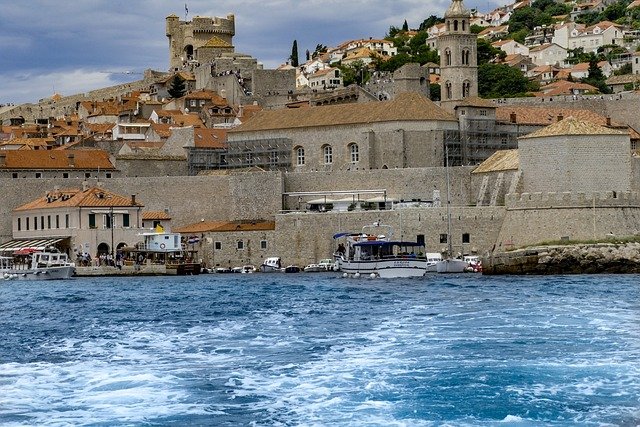
Timing is everything for Croatia multi-centre holidays. The perfect season molds your journey from the weather and crowds to prices and local events. Consider what’s most important to you—beach days, culture, or solitude—before you plot your bespoke itinerary and reserve accommodations.
Shoulder Seasons
Spring and fall are usually the prime times to visit Croatia, making it an ideal destination for multi centre holidays. April, May, September, and October offer mild temperatures ranging from 17 to 25ºC. The Adriatic is warm enough for swimming in June or September, but the crowds are much smaller than in summer, allowing active travellers to enjoy a seamless travel experience. This makes sight-seeing easier and more enjoyable, especially when exploring cultural city attractions.
Hotels and tours are typically cheaper, giving you more bang for your vacation buck. National parks such as Plitvice Lakes and Krka shine during late spring, with waterfalls full and trails open, yet not crowded. In the fall, places such as Dubrovnik are peaceful, allowing you to stroll old walls without a queue.
The landscapes light up with wildflowers in spring or rich reds and golds in fall, making your photos truly pop. Local events, like Easter, add a cultural element and provide an opportunity to participate in community life through street fairs and markets, enriching your bespoke itinerary.
Summer Peak
Summer in Croatia—June through August—is sunshine, crowded beaches and a festive atmosphere. That’s when the majority of travelers show up, particularly along the Adriatic coast. Prepare for jammed squares, frenetic markets and an until-dawn nightlife in Split and Hvar.
Music festivals, open-air cinemas and cultural celebrations happen almost each week! The sea is warm, ideal for swimming or snorkelling. Outdoor adventures such as kayaking, island-hopping and hiking are in full swing.
Book early, as hotels and tours get full and prices go up. If peace and quiet is your thing, summer may not suit your needs.
Off-Season
Winter is the quietest season but by no means boring. Between November and March, rates subside, providing you with discounted hotels and travel packages. Coastal towns slip into a lulling slow season pace, which is bliss for those on vacation.
Inland, spots like Zagreb burst to life with Christmas markets and holiday lights. There are winter sports to be enjoyed in the mountains, and along the coast there are mild days and snug cafés.
Rural villages open their doors for immersive workshops or cooking classes, allowing you to experience local traditions up close. Off-season travel is good for sustainable tourism, too. Eco stays and small businesses have consistent visitors beyond the hectic summer months.
Local Experiences and Sustainability
Croatia’s road less taken. Take part in a local cooking course in Istria or a pottery workshop in a Dalmatian village. These immersive experiences allow you to really experience Croatian culture.
Go to some of the smaller islands or rural areas for a slower pace and new discoveries off the beaten path. Backing eco-friendly hotels and tours decreases your travel footprint and helps communities.
Most hotels are now emphasizing sustainability, such as solar energy or farm-to-table restaurants. Discovering hidden gems and going green gives your holiday a positive spin.
Beyond The Tourist Trail
Croatia’s multi-centre holidays aren’t just about the iconic beaches or historic cities; they offer a seamless travel experience to explore different destinations. Travelers can immerse themselves in local culture, contribute to sustainable tourism, and appreciate scenic views that most skip. Exploring uncrowded areas, from Zagorje’s hills to Jelenovac Forest trails, provides an authentic flavor of Croatian life.
Local Flavours
Croatian food is intrinsically connected to its geography and history. On the coast, fresh seafood such as grilled sardines and octopus salad are a common fare. Inland, dishes like peka (meat and vegetables slow-cooked under a bell) bring the area’s roots to the plate.
The Istrian peninsula in particular shines as a gourmand’s paradise, famed for its truffles, olive oils and wild asparagus. Local markets in towns such as Ston and Orebic provide an opportunity to taste cheeses, honey and cured meats. There are travelers who participate in cooking classes, preparing local delicacies.
These classes frequently consist of market visits, providing a perspective into how Croatians shop and cook. Wine tasting tours are a hit, particularly in Istria and Dalmatia where native grapes yield unique taste profiles.
Sustainable Stays
Green lodges are increasingly available, especially in rural areas and around nature parks. A lot of guesthouses use solar panels, food is local and waste is disposed of responsibly. By staying in these places you help protect the environment and give back to communities.
Traveling responsibly includes supporting small family-run shops and eating at local restaurants. Nature reserves, such as Plitvice Lakes National Park, support conservation. The 6.3-kilometer path surrounding the lakes is perfect for hiking and cycling, with rigorous regulations in place to preserve the region’s rare ecosystem.
Responsible travel is as straightforward as bringing refillable water bottles and reducing your impact by walking only on established paths.
Cultural Immersion
Attending local festivals is how you really experience Croatian traditions. From summer street carnivals in coastal towns to grape harvest celebrations in wine regions, these events reflect traditions that go back centuries. Museums and galleries, like those in Zagreb, present art and artifacts that follow Croatia’s narrative.
The ancient Kaptol quarter, crowned by its magnificent Cathedral of St. Stephen, animates the nation’s spiritual tradition. Chatting with locals in markets or little places like Orebic can bring you below the surface. Every area has its own dialect, music, and customs; each stop has its own flavor.
Cross-Border Exploration
With Croatia’s location, it was a breeze to visit nearby countries. A lot of the itineraries mix in some Croatian towns with stops in Slovenia or Bosnia and Herzegovina. Ljubljana, Slovenia’s capital, is dotted with lush green spaces and inviting riverfront cafes.
Bosnia’s Sarajevo saw a blend of East and West with an Ottoman, Austro-Hungarian, and modern mix within its streets. Tourists can explore by train or bus, charting paths that combine scenery and adventure. Cross-border jaunts bring an additional dimension to a Croatian vacation.
Croatia And Its Neighbours
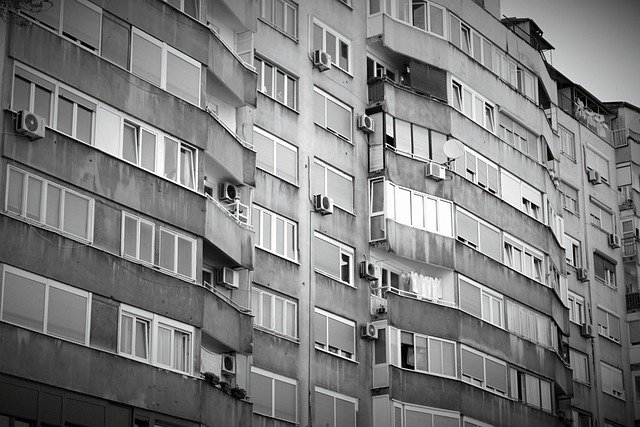
Croatia, with her islands and beautiful coastline, is a Mediterranean dream destination come to life. It attracts explorers with its heritage, cuisine, and landscapes. When planning a multi-centre holiday, the countries close by, Slovenia, Hungary, Bosnia and Herzegovina, and Montenegro, make the trip that much more enchanting. This allows for a bespoke itinerary that showcases the best of each location.
Key sights in these countries dovetail nicely with Croatia’s own stand-outs. In Slovenia, you can find Lake Bled, a tranquil lake with a tiny island and a medieval castle. Postojna Cave attracts visitors for its deep caves and rock formations. In Hungary, Budapest is famous for its grand buildings, thermal baths, and electric ruin bars. Bosnia and Herzegovina provide Mostar, known for its iconic stone bridge and cultural diversity. Montenegro delivers the Bay of Kotor, with its winding coastlines and hill towns. These exciting destinations are in proximity so you can explore more than one in a single trip, making the experience far more diverse.
It’s easy to travel between Croatia and its neighbours. Train links are available to Zagreb, Ljubljana, and Budapest. Buses are frequent between cities such as Split, Dubrovnik, Mostar, and Kotor. Rent-a-cars are easy to obtain and provide more flexibility to explore little villages and coastlines. There are ferries connecting certain Croatian islands with Italy and Montenegro, which is handy if you want to include a sea voyage. Most borders are open, but it’s still great to see what the visa requirements are for each country.
Each country adds its own cultural flavor to the journey. Croatia’s Old Towns of Dubrovnik, Split, and Zadar offer a glimpse of Roman and medieval life. National parks such as Plitvice and Krka have waterfalls and lakes to discover. Baranya is famous for local wines like Plavac Mali and Prosek. Slovenia has a blend of Slavic and Alpine cultures, reflected in its cuisine and artwork.
Hungary’s food, including goulash, shines across the border. Bosnia and Herzegovina is a mix of Ottoman and Austro-Hungarian tastes in its cuisine and architecture. Montenegro has a laid-back pace, fresh seafood, and mountain views, making it an ideal stop for those seeking relaxation.
A solid itinerary mixes city stops with nature and culinary experiences. Begin with city life in Zagreb and then go to Ljubljana for a tranquil riverfront. Relocate to Lake Bled or Budapest for the view. In Croatia, explore the islands, sample the beaches at Brač or Bačvice, and enjoy the local cuisine and wine.
Include Mostar or Kotor for a change in culture and scenery. Combine trains, buses, and short drives to get between places seamlessly, creating a unique travel style that captures the essence of the region.
Conclusion
Croatia multi-centre holidays Croatia delivers a new perspective on travel. City lovers are seduced by old stone streets. Beach lovers receive transparent water and velvety sand. Food delivers bold flavor with every stop. Day trips reveal new sights, fast and fuss-free. Ferries connect islands, so nowhere feels inaccessible. Every town has its own tempo and taste. Day trips to neighboring countries complete the equation. From the short break to the long haul, each path has its pleasures. To begin your own Croatian adventure, peruse guides, examine ferry connections, and select a few stops that fit your style. Every new stop, a new tale. Begin planning today and define your own itinerary.
Frequently Asked Questions
What is a Croatia multi-centre holiday?
A Croatia multi-centre holiday allows travelers to experience several cities or regions in one trip, enabling them to explore Croatia’s diverse landscapes, cultures, and highlights.
How do I plan a multi-centre holiday in Croatia?
Begin with the staples of Dubrovnik, Split, and Plitvice Lakes, and explore Croatia’s stunning islands. Then figure out the optimal travel routes and book accommodation for your bespoke itinerary in each place.
What is the best time for a multi-centre trip to Croatia?
Prime season for a multi centre holiday in Croatia is from May through September, when warm weather and attractions are open, making it the perfect holiday.
Can I include neighboring countries in my Croatia itinerary?
Yes, lots of travelers extend their trip with a hop over the border to Slovenia, Montenegro, or Bosnia and Herzegovina, enhancing their multi centre holiday by exploring different destinations. Borders are easy crossings and trips frequently feature these alternatives.
Are there good transport connections between Croatian cities?
Croatia has dependable buses, ferries, and domestic flights, making multi centre holidays easy for travellers to explore different destinations and idyllic islands.
Is a multi-centre holiday suitable for families?
Indeed, a multi-centre holiday allows families to explore Croatia’s pristine beaches, medieval towns, and national parks, creating a bespoke itinerary that caters to all ages and interests.
How long should I spend on a Croatia multi-centre holiday?
A usual multi centre holiday lasts between seven and fourteen days, providing just enough time to explore Croatia’s different destinations without rushing. Pace your stay to your interests.
Pingback: 10 Budget-Friendly European Getaways for Your Next Adventure - Lisa World Travel