
- Key Takeaways
- Why Choose Coach Travel?
- Mapping Your England to Ireland Coach Trip
- Understanding Ticket Prices
- The Onboard Experience
- Beyond the Coach Window
- Essential Planning Tips
- Conclusion
- Frequently Asked Questions
- Is it possible to travel from England to Ireland by coach?
- How long does a coach trip from England to Ireland take?
- Are coach tickets from England to Ireland expensive?
- What amenities are offered onboard during the trip?
- Do I need a passport for coach travel between England and Ireland?
- Can I bring luggage on the coach from England to Ireland?
- Are there direct coach services between major cities in England and Ireland?
Key Takeaways
- England to Ireland coach trips are a laid-back way to catch some spectacular scenery and save over flying or driving.
- By choosing coach travel you’re supporting sustainable tourism, cutting carbon emissions and helping reduce road congestion.
- Travelers can interact with diverse individuals, engage in collective events, and benefit from organized tours for an enhanced experience.
- With flexible route options and multiple departure hubs, planning is a breeze, with coaches connecting to ferry crossings and major cities including Dublin and Belfast.
- Tickets in advance, particularly during the low season, ensure good rates and a trouble-free trip.
- Smart packing, luggage restrictions, and travel documents ensure a comfortable, fuss-free trip.
There are several coach companies that operate routes such as London to Dublin and include the ferry in the price of your ticket. Some trips are direct and others have stops.
Travelers can select between day or night options depending on their requirements. It’s worth noting that this article covers what to expect, how to book, and tips for a smooth coach journey from England to Ireland.
Why Choose Coach Travel?
Coach travel from England to Ireland, especially when considering destinations like Dublin and Kilkenny, has special advantages for distance travelers. This style of travel can be efficient and satisfying, providing a mixture of leisure, savings, and ecological mindfulness. If you’re in the market for a spontaneous way to cross borders and explore new views while somebody else deals with the details, coach tours emerge as a trusted option.
The Slower Pace
Travel by coach allows you to pause and truly absorb the sceneries in transit. Rather than speeding past or missing the aerial view, you experience the rich hills, tiny villages and strips of coastline that characterize the ride. For instance, routes might skirt the Wild Atlantic Way or go through lush green countryside, with many photo opportunities.
Stops allow you to hop out and check out towns such as Kilkenny. There’s time to relax, decompress and embrace the passage as a component of your experience, rather than a necessary evil. Many of our passengers report that they’re more relaxed when they arrive, as there’s no last-minute dash or stress of driving or airport queues.
The Greener Choice
Coaches are a more environmentally friendly form of travel. They’re full of people, which means each journey results in way less CO2 per passenger than planes or cars. That’s fewer smelly airplanes and less pollution, which means you can explore with a smaller carbon footprint, championing sustainable tourism across England and Ireland.
By opting for companies utilizing newer, more efficient vehicles, you help support initiatives to lower emissions and conserve the countryside and coastlines. It’s not only the air that takes a hit; fewer cars on our roads can mean less congestion and noise, simplifying travel for all. Certain coach companies put some of that green back into green, so your fare contributes to something bigger.
The Social Journey
A coach trip is so much more than point A to B. It’s an opportunity to encounter new folk, swap tales, and perhaps forge friendships. Guides will occasionally give mini-lectures or host group discussions on Irish history or culture en route, enriching your journey.
Certain tours have group activities or optional walks at stops, which bring passengers together. It’s room to talk, to read, or simply bask in the presence of your fellow man. For some, these shared moments can be just as memorable as the sights themselves.
The Budget-Friendly Option
Coach trips are typically more affordable than flights or car rentals. With flexible tickets, they are within reach of a broad array of budgets. Certain providers have package deals that include hotel accommodations and access to local attractions, which help you save even more.
Unlike flying, there are hardly ever any baggage or seat fees lurking beneath the surface. Everything is just about always priced clear up front, so you sort of know the drill.
Here’s a quick comparison of typical ticket prices and included extras:
Ticket Type | Price (EUR) | Included Extras |
|---|---|---|
Standard | 45 | Luggage, Wi-Fi, basic seat |
Flexi | 60 | Extra luggage, seat choice |
Premium | 80 | Guided tours, snacks, priority |
Mapping Your England to Ireland Coach Trip
Mapping your England to Ireland coach trip. That’s knowing your major departure points, how you’ll cross the Irish Sea, and where you’ll arrive. Mapping your England to Ireland coach trip, you’ll be able to reach some of the most beautiful landscapes, historic places, and energetic cities in England and Ireland.
The trip spans long distances, includes a ferry ride, and may cut through national parks and scenic, dramatic coastlines.
- Major Departure Hubs: London, Birmingham, Manchester, Cardiff
- Ferry Crossing Options: Holyhead to Dublin, Fishguard to Rosslare, A couple of route maps: Liverpool to Belfast
1. Major Departure Hubs
London is the main hub for coach trips over to Ireland with multiple daily departures and services from both main operators. Many run from London via Oxford and Bath, providing travelers with a flavor of England’s rich history.
Birmingham and Manchester are key regional hubs, offering localized options for those who reside outside the capital. Cardiff, Wales, has direct routes to the ferries at Holyhead and Fishguard.
Times of departure differ from city to city and from operator to operator, so timetables are a must. Early morning and late-night options are standard, allowing travelers to select what works best for them.
Big stations such as Victoria Coach Station in London or Digbeth in Birmingham usually have useful facilities, such as sheltered waiting areas, eateries, and information booths.
2. The Ferry Crossing
An important aspect of the journey is traversing the Irish Sea. Ferry operators such as Stena Line and Irish Ferries operate frequent services between Holyhead and Dublin or Fishguard and Rosslare. Other itineraries link Liverpool to Belfast as well.
They run often and the majority of crossings are between two and four hours in duration.
ON BOARD – Passengers can unwind in lounges, dine at the café and soak up the coast and open water views. Boarding is easy. Coach passengers generally remain with their party, and car passengers follow separate directions.
With facilities for families, solo travellers and groups, the crossing is comfortable whatever your requirement.
3. Key Arrival Points
Dublin is your point of entry city, thriving with cultural gems such as Trinity College and an exciting food culture. Belfast is another highlight stop, home to the Titanic Belfast museum and historic neighborhoods.
For visitors looking to explore beyond, Cork’s downtown has vibrant markets and riverside strolls. Galway has more of a small, ‘celebration’ feel with its music-laden streets.
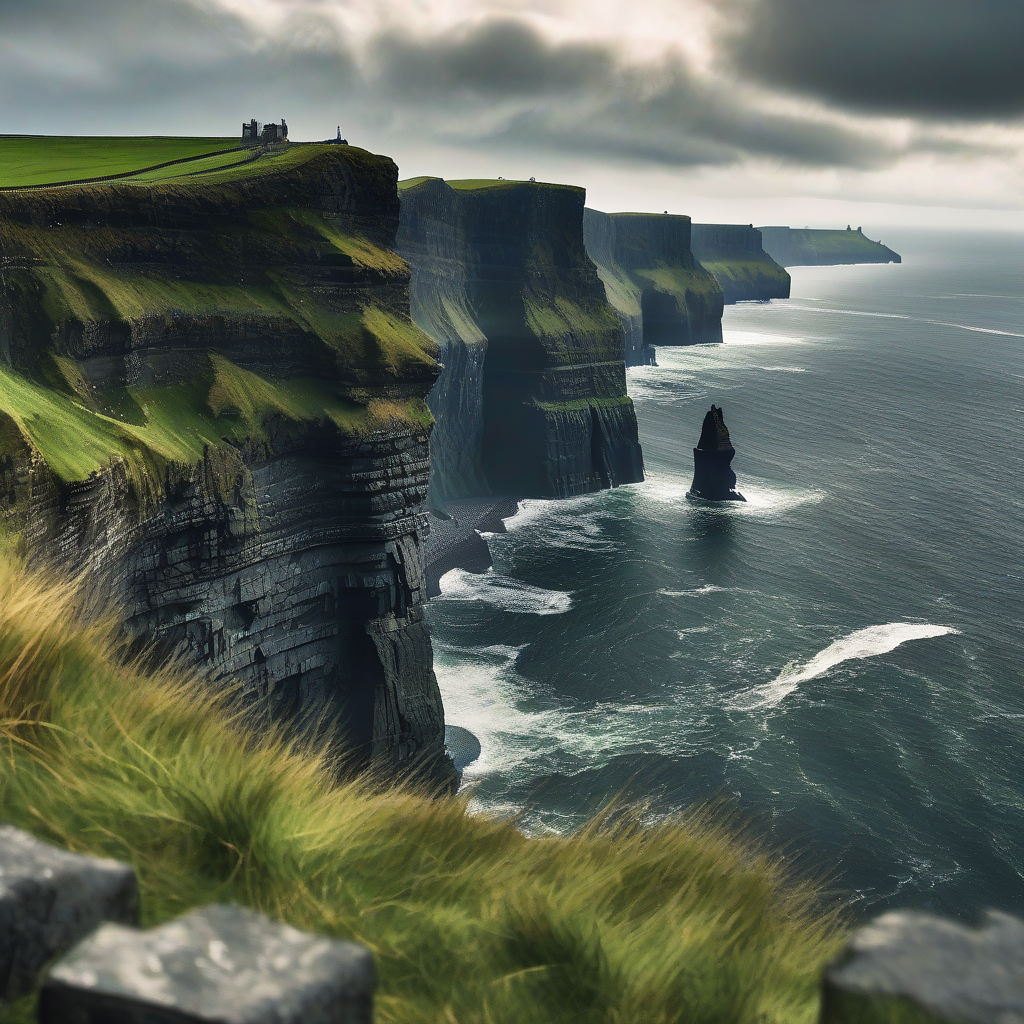
Most coach tours have some free time in these cities, so you can check out a local museum, taste some local dishes, or stroll along the river. Some tours even allow you to add day trips to the Cliffs of Moher or Ring of Kerry.
4. Typical Journey Times
Most coach trips from London to Dublin are 10 to 14 hours, ferry included. Manchester or Birmingham routes may be a little shorter or longer, depending on stops and traffic.
Travel times are based on normal traffic conditions and will vary during holidays and busy travel seasons. Verifying real-time updates with online tools can help you plan better.
It is clever to give yourself some extra time, particularly if you are connecting to a train or plane.
5. Route Variations
Others feature routes through picturesque regions, such as the Peak District or the Wild Atlantic Way. Some will take you through ancient cities like York or Edinburgh, with stops at iconic locations such as Stonehenge, Shakespeare’s Birthplace, or Edinburgh Castle.
Trips could have a train component. Frequently, a journey from Cheltenham to Broadway allows visitors an additional opportunity to take in the rural scenery.
Lodging differs as well, from urban hotels to country inns. Thus, every evening provides a novelty and a new vista.
Understanding Ticket Prices
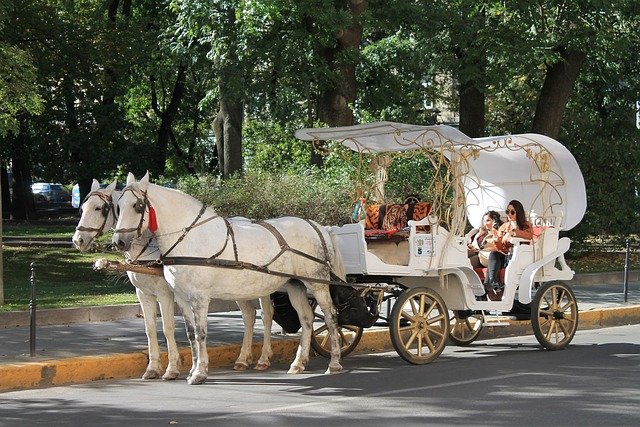
Coach ticket prices from England to Ireland vary a great deal based on several things. Being aware of these can help travelers avoid surprises and make smarter decisions. Travelers need to shop around, look for deals, and see what’s included in each fare to get the best value.
Factors that influence ticket prices include:
- Seasonality (peak/off-peak travel)
- Day of the week
- Advance booking vs. last-minute deals
- Demand spikes (holidays, events, construction)
- Company-specific pricing models
- Group and early bird discounts
- Included extras and amenities
- Cancellation and refund policies
Seasonal Fluctuations
Tickets can be more expensive during high traffic periods such as the summer, holidays, and school vacations. These are the peak months when demand is high, so coach companies raise prices, and seats go quickly. If you’re looking to save, plan your trip in the off months—typically late fall, winter, or early spring—when things slow down and tickets become more affordable.
Watch price trends during the year. A few websites provide fare tracking, meaning you can see exactly when the price is at its lowest. Events or festivals in some cities can raise prices, even if it’s typically a slow season. Knowing when local events are happening before you select your travel dates can help keep you from paying unnecessary premiums.
Booking in Advance
Early booking is the best method to lock in a reduced fare and reserve a seat, particularly if you intend to travel on popular weekends or holidays. Most coach companies give you early bird discounts for tickets purchased a few weeks or months before the journey. These bargains can make a difference to budget travelers.
Tickets: Know what the ticket prices are in advance. ALL ABOUT TICKET PRICES. While some companies have flexible options, others may not return your money if your plans change. This step is crucial, as hidden fees can irk unsuspecting tourists who don’t read the fine print.
It simplifies knowing ticket prices, as you can compare prices as you book online to find the most affordable options. Some booking sites allow you to set up price drop alerts.
Included Extras
Certain coach tickets for Ireland tours are bundled with perks like complimentary wifi, snacks, or even guided tours at stopovers. Others can include meals or hotel stays for longer routes, especially on popular Dublin bus tours. These add-ons can be worthwhile, and verifying what’s included before you reserve is essential. Not every company has the same amenities in their base fares.
Some services allow you to pay for perks, like expedited boarding or additional luggage space. For certain travelers, these added comforts are worth the premium. For others, keeping it simple keeps costs low.
Every traveler is different. Some are all about price, while others want more comfort or flexibility. VALUE TICKET PRICES Lay the worth of add-ons against your budget and your priorities prior to making a reservation.
The Onboard Experience
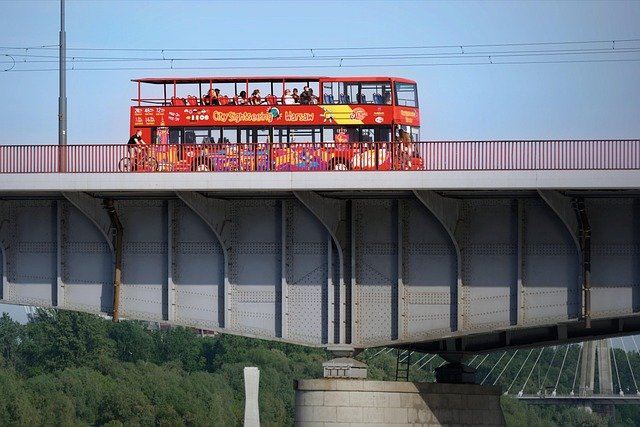
Coach travel to Ireland from England provides an efficient means of observing the rural landscape, including spectacular sights like the scenic Antrim coast and the majestic Kilkenny Castle, with simple amenities. Today’s rides are designed with a variety of explorers in mind, ensuring that every adventure is tailored to enhance your experience.
Comfort and Seating
On such trips, coaches frequently feature wide seats with additional legroom, which goes a long way toward making those long hours more tolerable. Passengers receive reclining seats with adjustable headrests. This arrangement lets you sleep or peruse at your leisure.
Air conditioning and heat are as standard as a cup holder now, so the temperature remains consistent, even as the elements change. Most coaches have power outlets at every seat, which are essential for charging your phone, tablet, or laptop on the go.
Others include reading lights and tray tables, perfect for getting some work done or grabbing a bite. Travelers like coaches that are cleaned frequently and maintained in excellent condition en route.
Luggage Allowances
Each airline has its own bag policies, so be sure to look it up prior to booking. Typically, the majority provide one primary bag per passenger, generally as much as 20 kilos, along with one tiny piece for onboard.
Others will charge extra if you bring more or if your bag is too large. A soft bag simplifies stuffing your luggage into the overhead racks or under your seat. It’s a little piece of advice that contributes to a more seamless on and off coach experience.
Never put your travel papers, wallet, phone, or any other valuables in your checked luggage so you can get to them quickly when crossing borders or at rest areas.
Accessibility Support
Coaches along this route are constructed with accessibility in mind, so many include wheelchair ramps or lifts. Front seats might be reserved for those with mobility impairments.
Passengers with reduced mobility can request assistance when boarding or disembarking. Crew are trained to provide assistance when requested.
Service animals are often permitted; however, verify this with your coach company prior to your journey. Others give details on available stops en route, which can help travelers prepare for a meal or bathroom break.
Onboard Entertainment
Nothing accents a long trip like the perfect entertainment cocktail. A lot of coaches have monitors that play movies or news, and some provide radio/music channels with earphones.
Wi-Fi is frequently provided, but speed and consistency may vary by trajectory or destination. Passengers occasionally pack their own books, podcasts, or games as a fallback.
These onboard amenities help stave off boredom and make the hours on the road fly by.
Beyond the Coach Window

Coach rides between England and Ireland offer more than just a direct connection; they unveil stunning vistas that are often overlooked by planes or trains. As the coach tours along twisting roads through the picturesque countryside, travelers can enjoy luxury views of the emerald isle, resting occasionally in charming villages rich with their own legends. Tourists not only discover the major attractions on the map but also the captivating scenery outside their windows.
Unseen Landscapes
There’s a wildness to the countryside between England and Ireland that reveals a side to both countries that most will never know. Rolling hills stretch as far as the eye can see, with fields of green and wildflowers lining our way. Coastal roads wind past cliffs and beaches, where the shoreline meets the land. For those looking to explore Ireland, river cruises provide a unique perspective on this stunning landscape.
On a clear day, the sun sparkles on rivers and tiny farms dot the landscape. Along this path, you slide past ancient ruins, old stone bridges, and even castles that are easy to overlook from the air. Some tours, such as the Ireland tours, stop at overlooks where passengers can disembark and photograph valleys or distant peaks.
The scenery has a distinctive style in each area. The Lake District or Yorkshire Dales of England, all patchwork fields, yield to the Irish countryside, which is verdant, occasionally mist-shrouded, and invariably breathtaking. Spring months like April and May can translate into lesser crowds at the Giant’s Causeway, making every stop feel a little more intimate, especially on coach tours.
The weather can change the view. Blue skies and mild temperatures in the mid-60s °F offer one kind of trip, while rain brings out deeper greens and a quieter mood.
A Sense of Place
Journeys pause in villages and towns, where visitors receive more than a coach window glimpse. Cafés offer local fare, perhaps seafood chowder or warm bread, and market stalls peddle crafts. You often encounter locals on these quick respites, some eager to exchange customs or quick tales.
Others sync time pauses with local happenings, such as a pub music event or street fair. Sometimes you get to participate, picking up a couple dance steps or some live folk music. The food might be richer than you think, and it is easy to say, ‘hey, let me try something new’ or ‘hey, let me indulge more than I would at home!’
Community on Wheels
Sharing a coach for days—sometimes with as many as 44 people—means getting to know one another. Passengers exchange travel advice, stories and even laundry tips. One traveler traveled light and washed his clothes every night to save room.
There’s something very ‘in it together’ about being on the road for extended periods of time. A few coach companies arrange group games or communal dining that can loosen strangers up and get them laughing. As time passes, these moments become genuine friendships.
Some groups are even making plans to take future trips together. To travel in spring, when crowds are low and the pace languid, can make these bonds even more potent.
Essential Planning Tips
Planning coach holidays from England to Ireland involves understanding booking windows, packing needs, and travel documents, ensuring a smooth experience for travelers eager to explore destinations like Dublin and Kilkenny.
Best Booking Times
Track fares for a few weeks to catch a dip in price. Most operators go by the demand, and prices tend to increase as seats book up. Booking at least 4 to 6 months in advance is ideal, particularly for high-demand events like St. Patrick’s Day or must-see sites that book quickly, like Kilmainham Gaol.
Booking early expands your seat and schedule options, but allows you time to create a real-world itinerary — particularly important for a 10-day trip! Sales or promotional periods can include discounts, usually publicized online. Midweek bookings, especially on Tuesdays or Wednesdays, tend to be more affordable than weekends.
Being flexible with dates will help you find lower fares, especially in the shoulder season, when tourists thin out and the temperatures haven’t yet taken a nosedive. This time tends to have the best rates and least congestion, allowing you to appreciate popular attractions or countryside detours.
Packing for Comfort
Opt for light and layered clothing for the ever-changing Irish weather. Rain jackets, sweaters, and comfy shoes are a perfect combination. A travel pillow and a small blanket can make those long stretches on the coach more bearable, particularly on overnight routes or those that last more than 10 hours.
Things like nuts, fruit, or energy bars, along with a reusable water bottle, will keep you refreshed in between stops. Pack your essentials, such as a phone charger, basic toiletries, and any medication, into a small daypack that tucks under your seat.
Arrange your bag so you can access these items without emptying it.
Necessary Documents
Before you embark on your journey to explore Ireland, confirm that your passport is valid for your entire trip and find out if you require any visas based on your nationality. Print out tickets, itineraries, travel insurance, and more, especially if you plan to take tours like the Discovering Ireland tours. Keep one copy of each in your bag and another in a safe cloud service or email should you lose the originals.
Have €200 to €300 in cash on you for emergencies, but rely on credit or debit for most of your expenses during your travels, such as when enjoying experiences like river cruises. Store your travel insurance policy number and emergency contacts’ information in a quick-to-grab location.
Make sure all your paperwork is up to date and prepared before you depart, as any problems at the border could set you back on your trip, especially if you’re eager to visit major attractions like Kilkenny Castle or the Guinness Storehouse.
Packing Checklist
- Valid passport and visas (if needed)
- Travel insurance documents
- Printed and digital tickets/itineraries
- Weather-appropriate clothing (layers, raincoat)
- Comfortable shoes
- Travel pillow, blanket
- Snacks, reusable water bottle
- Phone charger, adapter
- Basic toiletries, medication
- €200-300 in cash, credit/debit cards
This checklist helps you cover the basics for your Ireland tours and avoid that last minute panic. Tweak it to your travel style and trip duration.
Conclusion
England to Ireland coach trips make travel feel effortless. You get transparent routes, reasonable ticket prices and easy booking procedures. The drive carries you through green fields, ancient towns and broad rivers. Seats remain cozy, air is crisp and the breaks enable you to get some stretching in or snack. You view more than just roads; you sense the land. Advance planning cuts down time and ensures you select the perfect seat or meal. On your next trip, consider coach, check it out and book early. A coach trip offers you a smooth road and fresh views, all in one journey. Give it a go and discover how coach travel can work for you.
Frequently Asked Questions
Is it possible to travel from England to Ireland by coach?
Yes, you can get from England to Ireland by coach, making it easy to explore Ireland tours. Here we are for England to Ireland coach tours, with leading operators offering combined tickets for a seamless journey.
How long does a coach trip from England to Ireland take?
The journey generally takes nine to twelve hours, depending on the cities you’re departing from and arriving at, as well as ferry and traffic timings during your tours.
Are coach tickets from England to Ireland expensive?
Coach fares for tours in Ireland depend on season, route, and how far in advance you book. Most of these fares are incredibly cheap, especially when compared to flying or taking the train, often including the ferry crossing in the price.
What amenities are offered onboard during the trip?
Most coaches on Ireland tours provide plush reclining seats, air conditioning, onboard toilets, and complimentary Wi-Fi, ensuring a comfortable experience while exploring destinations.
Do I need a passport for coach travel between England and Ireland?
Yes, a passport is essential for any international coach tours, including those from England to Ireland, especially when exploring major attractions like Dublin and Kilkenny.
Can I bring luggage on the coach from England to Ireland?
Yes, when you embark on coach tours in Ireland, coaches generally permit one large suitcase and a small carry-on bag per passenger, so verify before you travel.
Are there direct coach services between major cities in England and Ireland?
Direct coaches connect key cities such as London and Dublin, making it easy for travelers to explore Ireland. With hassle-free transfers, these coach tours facilitate the journey.