
- Key Takeaways
- Unforgettable European Winter Getaways
- Seeking Sunnier European Shores
- Beyond the Usual Tourist Trail
- Embrace the Festive Spirit
- Savour Winter’s Local Flavours
- Essential Winter Travel Wisdom
- Conclusion
- Frequently Asked Questions
- What are the best European destinations for a winter getaway?
- Can I enjoy winter sports in Europe without crowds?
- Are there sunny places in Europe during winter?
- What are some unique winter traditions in Europe?
- What food should I try during a European winter trip?
- How can I stay safe and comfortable while traveling in Europe in winter?
- Is it expensive to travel in Europe during winter?
Key Takeaways
- European winter getaways range from snowy mountain escapades to temperate seaside escapes, giving you the freedom to select your perfect weather and pursuits.
- Embracing local customs, holiday bazaars, and distinct seasonal festivities will enable you to genuinely experience and enjoy European cultures in the wintertime.
- Exploring hidden gems like Slovenia, Romania, and Poland promises inspirational authenticity, limited tourists, and welcoming hospitality.
- Tasting local dishes, desserts, and hot beverages spices up our adventures by highlighting the tastes and culture of each destination.
- With smart packing, a plan that aligns with daylight hours, and flexibility, your winter getaway can be a comfortable and fun affair.
- Opting for eco-friendly accommodations, choosing sustainable transportation options, and supporting local businesses can help promote responsible tourism and make a positive impact on the places you visit.
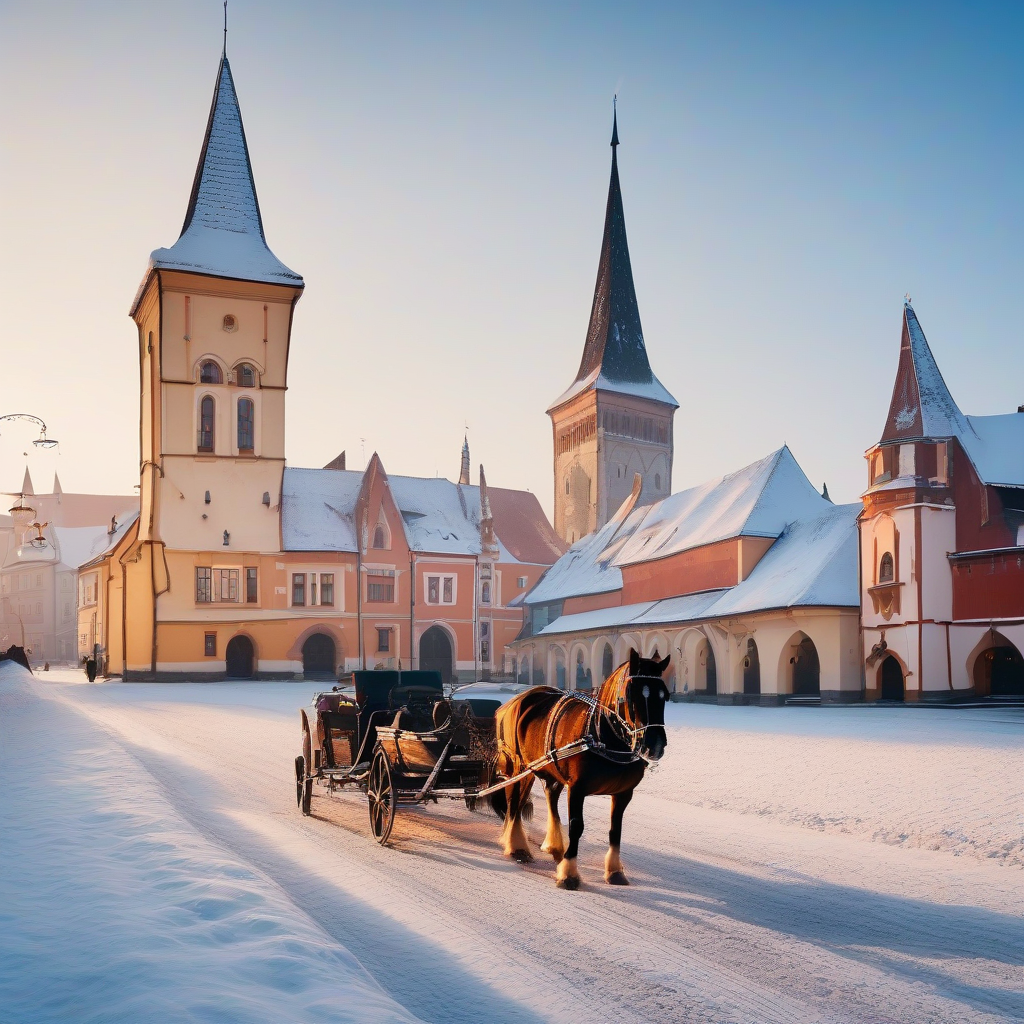
European winter getaways bring together a blend of old-town charm, snow-covered scenery and cozy local joints. Cities like Prague, Salzburg and Tallinn strut their classic architecture with twinkle lights and markets.
Ski resorts in the Alps and Pyrenees provide both novices and pros a destination on the slopes. Most travelers crave warm cafés, local food and convenient sightseeing.
Below, discover additional insider tips and the best winter getaways.
Unforgettable European Winter Getaways

There’s nothing quite like exploring Europe during winter getaways — a perfect blend of adventure, relaxation, and culture. When it comes to European winter destinations, options abound, from snow-capped cities and mountain resorts to tranquil seaside hideaways, making it an ideal time for a winter escape.
1. The Classic Wonderland
Places like Vienna and Prague shine in the winter with their snow-capped roofs and twinkling holiday lights. Streets populate with Christmas markets, whose stalls hawk crafts, ornaments, and treats. The Swiss Alps attract legions for skiing and boarding. Innsbruck and Chamonix are the top choices for novices and pros alike.
_2.png)
Strolls along picturesque old towns reveal snow-covered castles, bridges, and churches, perfect for snapping or simply admiring the sights. Germany’s Christmas markets attract billions of people every year, but winter is still much less hectic than summer. Budapest features frozen canals and cozy cafes, which made it a favorite among our warm weather travelers.
2. The Arctic Adventure
Norway’s fjords provide a brutal winter canvas, with its navy blue waters bordered by snow-laden peaks. In Lapland, Finland, adventurers sled reindeer and scoot across hard-frozen forests. The northern lights, which are most visible between December and February, dye the sky green and purple, particularly on clear nights.
Some sleep in ice hotels or warm, comfy log cabins. They forge a profound connection to the natural world and local traditions.
3. The Coastal Escape
Southern Europe remains mild during the winter. Malta and the Canaries get more sun than snow, with daytime highs frequently over 15°C. Strolls down deserted beaches provide respite from biting winds and massive crowds.
Local fresh seafood starts appearing on small town menus, usually grilled and paired with local sides. These are locations for wanderers seeking cardigans, not parkas. This slower pace helps many unwind after hectic months.
4. The Fairytale Village
Rothenburg ob der Tauber in Germany maintains its medieval appearance, featuring stone walls and half-timbered homes. The streets come alive with lights and trees and tiny markets selling hand-crafted gifts. Austria’s Hallstatt is lake-side, with mountains looming behind and snow covering everything.
Local traditions include parades, carols, and special foods unique to small towns that are not available in big cities. Cafés offer hot drinks and pastries, which are great after a long stroll. These places seem eternal and serene.
5. The Imperial City
Vienna’s palaces and museums are glowing under winter lights. Music echoes through old concert halls, where world-class orchestras perform. Cafes offer warm pastries and hot chocolate, much visited on a chilly day.
With the city’s markets presenting hand-crafted gifts and seasonal foods, it’s no wonder that locals and visitors alike are flocking to them. Fewer tourists means more room to revel in the art, music, and history.
Seeking Sunnier European Shores

European winter doesn’t always bring icy winds and overcast skies. Many winter sun destinations offer mild weather and sunny days, even in December. These incredible winter destinations allow you to savor the outdoors, wander through snowy landscapes, and soak up vibrant cultures — all without the crowds or cold weather of the north.
Mild Climates
Most sun-chasers travel south for the winter. Known as the warmest place in Europe in winter, the Canary Islands maintain daytime temperatures that are comfortable and consistent, even in January. Fuerteventura is a favorite with its beaches and the International Kite Festival.
Another winner is the Portuguese archipelago of Madeira with its mild winters and verdant landscapes. Malta’s Mediterranean climate induces highs of 16°C (61°F) in January, allowing visitors to sit al fresco and promenade the coast without layers.
Alucia in Spain is renowned for its sunny winters and deep culture. Cities such as Seville hardly dip below 14 degrees C (57 degrees F), so it’s a cinch to wander about its gardens, plazas, and street cafes. Sicily’s town of Acireale honors Carnevale from late January to mid-February, combining pleasant weather with local revelry.
These warm havens offer al fresco dining, walking tours, and cultural events, providing travelers with more than just a respite from the freezing weather. With fewer tourists there, it’s easier to get involved in local festivals and absorb the atmosphere. Mild weather means you can actually get outdoors to hike, sightsee, or have a seaside lunch.
Fewer Crowds
We’re getting to miss these places filled with tens of thousands of people who are in these places in the summer. Less frequented destinations such as Portugal’s coast or Greek islands offer travelers the chance to soak in tranquil beaches, towns, and viewpoints.
Winter visitors can roam ancient roads or hike spectacular paths and not stand in a queue or be hurried along. Tucked away jewels are less challenging to discover. Local life in Madeira or Malta seems more expansive without the tourists.
With less demand during the off-season come better deals on hotels and attractions, making everyone’s travel dollar go farther. This tranquility allows guests to engage with the scenery and culture in a more laid-back fashion. For the slow move-it-lovers, winter in these sunnies lets you look more, spend less, and feel less crowded everywhere you go.
Local Life
Becoming familiar with a place is immersing yourself in its traditions and daily cadence. Carnevale sends parades and music through the streets of Sicily. Most towns and cities across southern Europe have their own winter events, from food fairs to local concerts.
Markets in Malta or Andalucia peddling regional produce and fresh fruits and vegetables provide visitors a real flavor of local life. Visitors can sit in family-run restaurants and sample dishes made with winter crops, such as citrus or olives.
Talking to locals, even at coffee, still yields fresh perspectives on how folks get through the season. Those willing to explore winter traditions from cuisine to music discover their journey more fulfilling.
Beyond the Usual Tourist Trail

European winter is about more than just apres ski and Christmas markets; it’s also about exploring Europe’s enchanting winter destinations. For travelers seeking something richer than the usual tourist fare, these off the beaten path locations offer stunning beauty and cultural authenticity, making them perfect winter destinations for a cozy holiday season adventure.
Romania’s Mystique
Transylvania is renowned for its medieval towns like Sibiu and Brasov, featuring cobblestone streets and fortified churches, alongside the captivating Dracula folklore that adds an enigmatic allure. During the winter months, the snow enhances the gothic spires and colorful houses, creating a scene that feels both spooky and welcoming. This region is one of the favorite winter destinations for those seeking a winter escape.
The Carpathian Mountains remain a top choice for skiers, snowboarders, and winter hikes. Trails wind through dense forests, and the crisp air combined with panoramic vistas makes for an unforgettable experience. Many towns celebrate traditional winter festivals that showcase folk music and local dances, further enriching the winter charm of this area.
Romanian cuisine shines in the winter holiday season, with hearty stews, grilled meats, and sweet pastries served in cozy guesthouses. These family-run establishments often serve as warm havens decorated with carved wooden furniture and woven rugs, providing an authentic glimpse into local life during the winter season.
Slovenia’s Charm
Ljubljana, the capital, becomes a winter postcard with holiday lights and decorations, bridges over the Ljubljanica River, and a warm and inviting old town dotted with cafes. Tiny piazzas are home to artisan fairs and concerts, and the mountaintop castle provides panoramic, snow-sprinkled vistas.
Lake Bled, with its diminutive island church and clifftop castle, is stunning. In winter, the lake frequently glistens with rime and the adjacent slopes are perfect for tranquil strolls or sleigh rides. For thrill-seekers, the Julian Alps have groomed ski slopes and snow parks.
Slovenian food is best sampled in little restaurants where jota (bean and sauerkraut stew) or štruklji (rolled dumplings) are favorites. These comforting meals are ideal for warming up after a day in the elements.
Poland’s History
Krakow’s historic center is a UNESCO World Heritage site. Its ancient streets, majestic squares, and monuments like St. Mary’s Basilica are all the more arresting with a light dusting of snow. The city’s Christmas markets blend artisans with bakeries and attract residents and tourists alike.
Places, such as Wawel Castle, offer a window into Poland’s tumultuous history, while adjacent cafes dish out steaming cups of brew with paczki and sernik, perfect for chilly afternoons.
Winter is when Poland’s cities are quieter and cheaper, a serene method to seek out history and culture.
Embrace the Festive Spirit

Winter in Europe has a unique magic to it, with its combination of ancient architecture, shimmering lights, and festive revelry. This time of year brings guests to unwind, experience something different, and immerse themselves in local culture.
From vibrant city centers to charming small towns, experience the magic of the season as it unfolds in lively markets, heartwarming community celebrations, and timeless traditions.
Christmas Markets
- Checklist of must-visit markets: Cologne (Germany), Vienna (Austria), Strasbourg (France), Prague (Czech Republic), Budapest (Hungary), Copenhagen (Denmark), Tallinn (Estonia), Brussels (Belgium), and Zagreb (Croatia).
Mulled wine, gingerbread, and roasted chestnuts scent the air at these gorgeous Christmas markets. Stalls beckon with seasonal favorites to sample, each offering a taste of local flavor. Each food stand showcases its own specialty, featuring local twists on classic treats like stollen in Germany or trdelník in Prague, making these markets some of the best winter destinations in Europe.
Shoppers stroll through the markets in search of handmade ornaments, candles, or crafts that represent the talent of local artists. Many gifts highlight the local character of every country, such as woodwork in Austria or ceramics in Hungary. Decorations sold here often turn into treasured souvenirs from the journey, perfect for a winter escape.
Live choirs and folk bands, along with street performers, enhance the festive mood. With music and entertainment, the downtown market experience is a significant part of the holiday season, providing a pause to soak in the Christmas spirit. Certain markets even feature ice skating rinks or carousel rides, delighting visitors of all ages.
Unique Traditions
Christmas customs vary widely by location. Midnight mass is a big event in Italy, as congregations gather in their ancient churches. Spanish cities hold colorful parades, with their streets illuminated by colorful costumes and music.
Participating in local traditions provides a glimpse into every location’s culture. You’ll light candles with the locals in Scandinavia or join a St. Nicholas Day parade in Central Europe. These moments allow travelers to really engage with the culture.
Nothing beats a traditional holiday meal. French families join hands around a feast of roast meats and sweet pastries. A twelve-dish dinner marks Christmas Eve in Poland. Tasting these dishes allows you to truly experience the traditions that make up the region.
Community get-togethers big and small, from small-town concerts to city-wide festivals, are the norm. Nothing makes us happier than joining together for a winter play, choir concert, or local dances!
New Year’s Eve
City | Local Traditions | Events | Featured Foods |
|---|---|---|---|
Berlin | Fireworks at Brandenburg | Street parties, music | Currywurst, Berliner |
Paris | Light shows at Eiffel Tower | Dance, fireworks | Oysters, champagne |
Edinburgh | Hogmanay parade | Torchlight, concerts | Haggis, whisky |
Vienna | Waltz in city squares | Classical concerts | Sachertorte, sekt |
Prague | River fireworks | Live music, boat parties | Roast pork, trdelník |
Big cities have street performers and open-air concerts. Festivals are for crowds, for music, for fireworks, and for the sheer joy of togetherness. These shindigs tend to run late.
For smaller towns, New Year’s Eve has a more low key yet still very happy vibe. Friends and families come together around dinner, swapping tales and reflecting on the year. Some cherish a romantic stroll or a warm night in front of the fireplace.
Along the way, the holiday spirit inspires both introspection and renewal. Whether amidst the hustle in a square or the serenity of a village, travelers discover a bond and optimism.
Savour Winter’s Local Flavours
Winter in Europe provides us the special opportunity to savor seasonal cuisine and beverages that unite us and warm even the chilliest of days. From bustling markets to cozy cafes, adventurers encounter new twists on comfort food classics, regional ingredients and deep-rooted heritage. The season’s tastiest flavors are everywhere from quaint little towns to renowned big cities.
Some of the highlights include:
- Cheese fondue in Switzerland, tartiflette in France, and goulash in Hungary.
- Roasted chestnuts and gingerbread cookies at Christmas markets across Germany.
- 5 of Portugal’s seafood stews and custard tarts in the mild Algarve.
- Glühwein and cider at Austrian winter festivals.
- Panettone, cannoli, and hot chocolate in Italy’s historic cafés.
- Nordic rye bread and smoked fish in Icelandic mountain huts.
- Dutch oliebollen and apple beignets in Amsterdam’s bustling squares.
- Sacher torte and strudel found in Vienna’s cozy bakeries.
Hearty Feasts
Winter local dishes are all about comfort and warmth, making them perfect for a cozy winter vacation. A lot of these dishes utilize root vegetables and cured meats in fresh-baked bread. Stews and soups reign supreme, like French onion or Hungarian goulash, ideal for those enjoying the winter season. For cheese lovers, raclette and fondue are particularly popular in Alpine regions, enhancing the experience of exploring Europe’s winter destinations.
Sharing meals is a huge element of winter, especially in places like Berlin and Stockholm. In German beer halls or Swiss mountain huts, locals and travelers frequently mix together at communal tables. They all serve hearty meals that foster community, particularly after a day on the slopes or trails, making it a quintessential winter destination for food enthusiasts.
European food varies by country, with Portugal’s Algarve boasting grilled fish and mild weather, while Prague’s winter menu offers roast pork with dumplings. Michelin-starred restaurants in France and Italy feature special winter menus based on local traditions, showcasing the best of European winter travel.
Restaurants with a cozy, rustic vibe are comforting to most during the holiday season. Wood-burning stoves, warm lights, and heavy stone walls create the perfect setting for these filling feasts. For après winter sports or relaxing city walks, these spots are ideal for soaking up the atmosphere and enjoying the enchanting winter charm.
Sweet Treats
Stollen, panettone and gingerbread are all favored winter desserts. These confections are associated with holidays and festivals and impart a festive element to food.
Local bakeries with fresh pastries every morning are a delight. Like Vienna and Amsterdam, many cities are famous for their cakes and cookies. Those goodies are super easy to locate at Christmas markets, where stands hawk hot waffles, candied nuts, and marzipan.
Certain cities offer baking workshops. These events demonstrate how to transform classic desserts using traditional recipes. Explorers can fine-tune a craft and take tastes back with them.
Warming Drinks
Hot chocolate, mulled wine and spiced cider are winter staples throughout Europe. Each country gives it its own spin. In France, vin chaud utilizes local wine and spices. In Austria, glühwein is a requirement at Christmas markets.
Warm up in a snug cafe in Rome or Venice, sipping on creamy hot chocolate. Icelandic lodges pour herbal teas and rye bread with smoked fish. Savour winter’s local flavours. Tasting menus in Nordic regions allow visitors to sample drinks infused with local berries or herbs.
Most cities have tastings or workshops. They are interactive experiences where these events demonstrate how to prepare winter drinks and narrate the stories behind every recipe. They’re a great way to unwind after long walks or winter sports.
Essential Winter Travel Wisdom

Winter travel in Europe demands a careful approach, combining comfort, adaptability, and eco-consciousness. Every decision from packing to mapping out your day has a genuine impact on the experience you have, whether you explore snowy landscapes in capitals or enjoy winter sun destinations along temperate coastal towns.
Pack Smart
A solid winter packing strategy begins with layered clothing. Choose multi-functional items like merino T-shirts, long johns, and a trusted jacket. Merino wool is great because it keeps you warm, combats odor, and breathes.
Your coat is what counts most. It protects you from snow, rain, and wind and appears in nearly every pic, so select one that battles the elements but suits your style.
Pack gloves, a hat, and a scarf to protect your skin from the cold. Shoes that grip on ice or snow fit thick socks. For Budapest or Reykjavik, throw in a bathing suit for warm baths.
A mini kit of toiletries and medications, including pain relievers, cold medicine, and bandages, keeps you prepped for anything. Packing for a week and laundering if you stick around saves your bag.
Plan Daylight
Daylight hours vary significantly in winter. Look up sunrise and sunset times before you schedule your days. You’ll enjoy views like Prague Castle or the Alhambra in the natural light more, so plan outdoor stops early.
Attempt to sprinkle in indoor spaces, such as museums or local cafés, along with your walks or city tours. If the weather turns, you’ve got options.
Day guided tours offer more local insight and safety in the dimming light. Concentrate on a handful of sights rather than stressing from one to the next. You get a richer experience of each location like this.
Stay Flexible
Winter weather is quick. Snow, hail, sun, and rain can all make an appearance in one week. Keep your plans flexible. If a storm does come, just head to indoor sights or local eateries.
Chat with guides or hosts, who can recommend last-minute tips or special events you won’t discover online. Flexibility leads to the best stories. Slow travel allows you to imbibe each destination instead of rushing through a punch list.
Travel Sustainably
Opting for hotels or rentals with green certifications goes a long way toward reducing your footprint. Dining at local eateries and shopping at neighborhood markets supports the community and provides a greater sense of location.
Seek out eco-tours like wetlands birdwatching or guided urban walks. Find out local recycling regulations and whether there’s public transportation, such as buses or trains.
Little tweaks accumulate and make your journey more enjoyable for you and for your destination.
Conclusion
Europe in winter has so much to discover. Ancient plazas brim with lights and carols. In your typical ski towns, there’s a buzz of fresh snow and warm food. Along the coast, others discover gentle sun and azure waves. Each place has its own flavor and speed. They make new friends or discover tranquility in these quaint streets. The chill invokes hearty meals, sugary desserts, and traditions. Packing smart really does help with every trip. Experiment with a blend of the familiar and the fresh, and discover what resonates. Every city, every village, shows its finest in winter. It is time to book your own getaway! Discover deals, local tips, and advice and head out for a memorable winter.
Frequently Asked Questions
What are the best European destinations for a winter getaway?
Our favorites are Prague, Vienna, and Tallinn for festive allure, especially during the winter holiday season. For a milder climate, consider the Canary Islands or southern Portugal as winter sun destinations that offer distinct winter moments and lovely landscapes.
Can I enjoy winter sports in Europe without crowds?
Of course, the more secret winter destinations like Andorra or Bulgaria provide skiing and snowboarding without all the tourist mayhem, making them perfect for a winter escape.
Are there sunny places in Europe during winter?
Yes, the south, such as the Canary Islands, Malta, and Cyprus, enjoys mild temperatures and sunshine even in winter, making them fantastic winter sun destinations for outdoor exploration year-round.
What are some unique winter traditions in Europe?
Most European countries, like Germany and Austria, mark the occasion with gorgeous Christmas markets, light festivals, and local winter foods, making them ideal winter destinations.
What food should I try during a European winter trip?
Sample robust fare such as Swiss fondue, Hungarian goulash, or Italian risotto while enjoying the cozy cafés at the best Christmas markets this winter season.
How can I stay safe and comfortable while traveling in Europe in winter?
Dress in layers for your winter vacation, bring waterproof shoes for exploring winter destinations, and stay updated on the weather for a perfect winter escape.
Is it expensive to travel in Europe during winter?
Winter is generally more affordable than summer, especially for those seeking cheap winter travel options. Hotels and attractions in popular winter destinations often offer great deals on airfare and lodging.